Parrot Perched In Living Space

Your parrot adds vibrancy perched on its stand.
Golden Labrador Puppies Playing In The Yard

You’ll find golden Lab pups love frolicking outside.
Elderly Labrador Dog Resting Peacefully

Your old Labrador dozes off, his graying muzzle tucked in cozily on his favorite cushion.
Labrador Terrier Mix Enjoying Outdoor Activities

Your Lab Terrier mix thrives on outdoor fun.
Various Types Of Turtles In Natural Habitats

Turtles thrive in environments ranging from desert sands to lush forests and vibrant coral reefs. You’ll find tortoises ambling through arid landscapes, their sturdy legs and heavy shells adapted to land-based life. Aquatic terrains are home to terrifying and sleek sea turtles, navigating the ocean’s expanse with flippers perfect for marine dwelling. Spot smaller terrapins in freshwater or brackish environments, their size not diminishing their adaptability or charm. As diverse as their habitats, these shelled reptiles showcase nature’s ability to evolve and specialize.
Habitat | Characteristics | |
|---|---|---|
Desert | Sturdy legs, heavy shell | |
Oceans | Sea Turtles | Large, flippered |
Freshwater | Terrapins | Small, versatile |
Keep in mind, the alligator snapping turtle with its primeval appearance may be impressive, but it’s a species under threat, reminding us that habitats are as fragile as they are varied.
Labrador Puppy During Training Sessions

Your Lab pup’s first sit command is a big moment!
Tortoise In A Well-Set-Up Enclosure
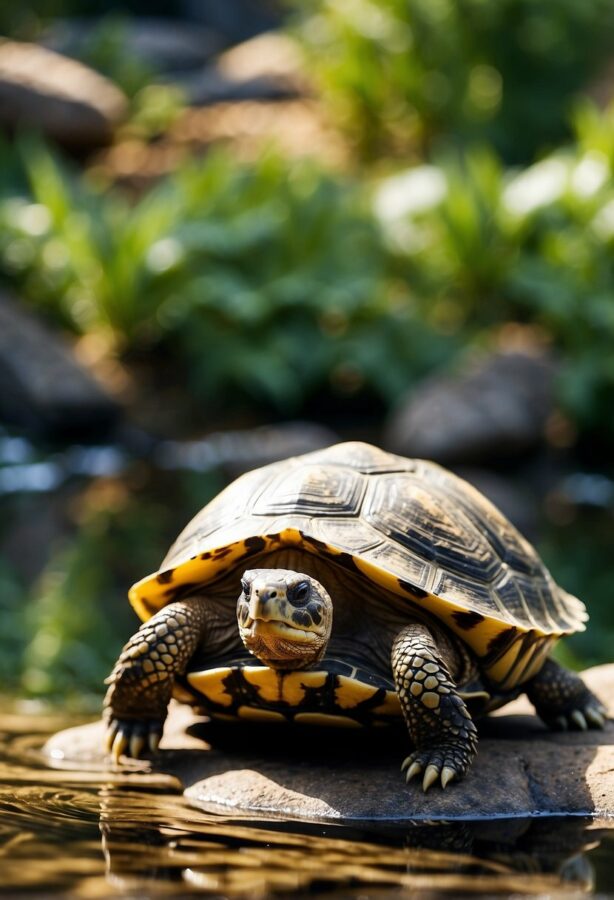
Your tortoise’s habitat is key to its health.
Dog Activities

Get your pup’s tail wagging with fetch, tug-of-war, or a puzzle game.
Various Types Of Turtles

Your turtle pals are pretty diverse; let’s meet a few.
- Sea Turtles: You’ve got the chill loggerheads and sleek green turtles, plus the deep-diving leatherbacks.
- Freshwater Turtles: From the sun-loving sliders to the agile cooters, these turtles thrive in rivers and ponds.
- Tortoises: These landlubbers, like the iconic giant tortoises, pack some serious shell swagger.
- Snapping Turtles: Check out these tough guys with their formidable beaks and powerful grips.
Group | Notable Species | Habitat |
|---|---|---|
Sea Turtles | Leatherback | Ocean |
Freshwater Turtles | Red-eared Slider | Lakes/Rivers |
Tortoises | Galápagos Tortoise | Islands |
Snapping Turtles | Alligator Snapping Turtle | Water Bodies |
Quick fact: Your heavyweight leatherback friends can tip the scales at up to 900 kg!
Senegal Chameleon Blending Into Its Environment

You’ll find your Senegal chameleon masters the art of camouflage, changing skin color to match its surroundings and elude predators.
Comet Goldfish Swimming In A Spacious Tank
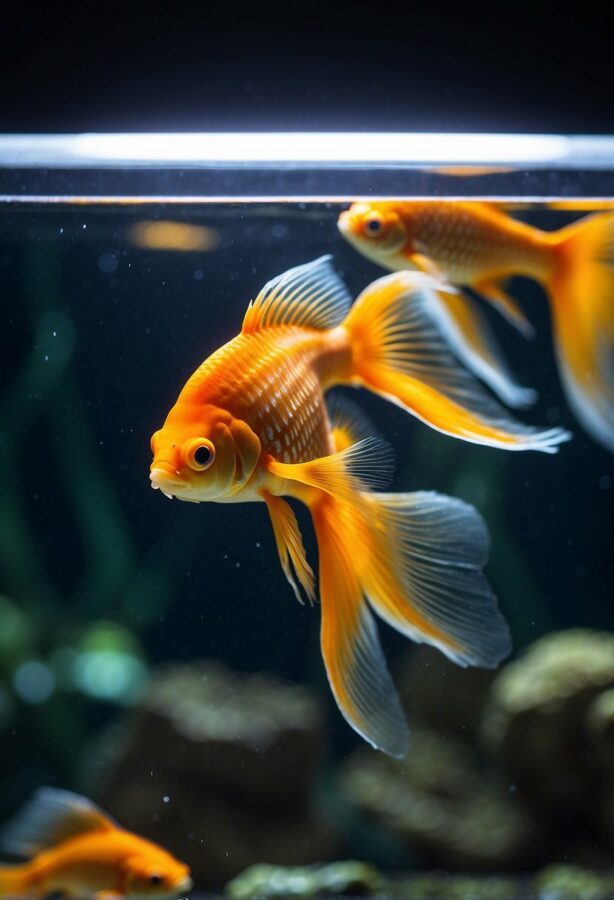
Your comet goldfish‘s vibrant tail ripples like a flag in the generous space of its tank.
Sick Goldfish With Visible Symptoms In A Tank
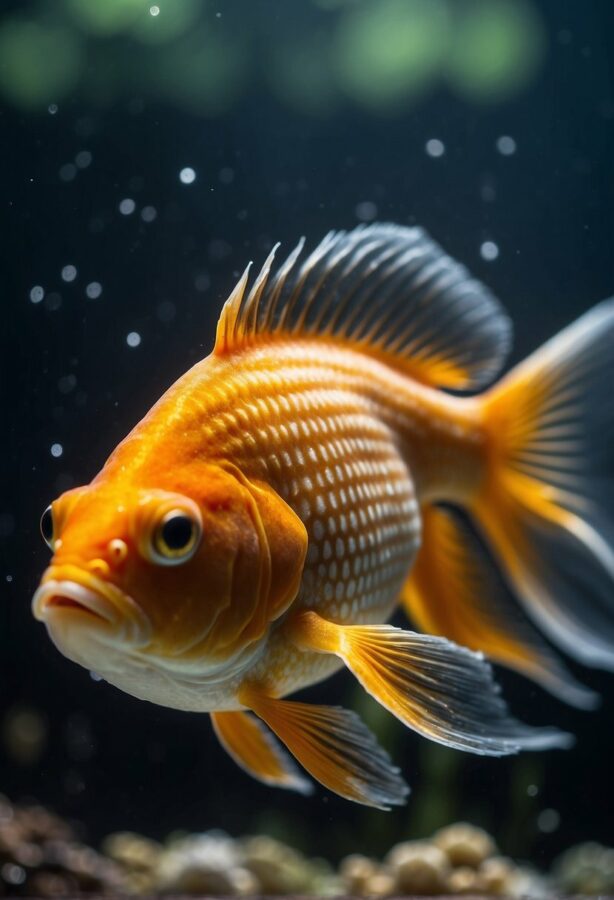
If your goldfish has white spots, it might be ich.
Breeding Goldfish In A Controlled Environment

Breeding goldfish? Set the right tank conditions.
Fish In Tanks

Your aquarium pals come in all shapes and sizes, and snapping their photos can capture their vibrant life under water. Whether you’re a fan of the small but social species that thrive in groups or the solitary cleaners like the algae-eating Plecostomus, your fish tank teems with life ready for its close-up. Remember, lighting is key to highlight the shimmer of scales and the delicate sway of fins; so set your camera to a fast shutter speed and watch your aquatic friends become stars!
- Size Matters: Keep in mind, fish like Plecostomus can grow up to 6 inches.
- Social Swimmers: Many fish, especially small species, prefer being in groups.
- Camera Ready: Use a high shutter speed for sharp images.
Ensure your tank is clean and well-lit to showcase your fish at their best, creating stunning visuals that reflect the serene beauty of your underwater world.
Zebra Shark Resting On The Ocean Floor

You spot a zebra shark lounging on the seabed, still as a statue, just chilling with the ocean’s flow.
Shovel Nose Shark Gliding Through Water

Watch the shovel nose shark’s smooth glide.
Rainbow Shark In A Vibrantly Decorated Aquarium

Your rainbow shark adds a dash of drama to any aquatic scene.
Female Betta Fish Swimming Elegantly In A Tank
Watch your betta glide gracefully among the tank’s aquatic plants.
Sharks And Rays

You’ll find that sharks and rays, members of the elasmobranchii subclass, boast skeletons made of cartilage, not bone, making them unique among fish. These animals range impressively in size and habitat, occupying various saltwater environments around the globe.
Key Facts About Sharks and Rays:
- Skeleton: Cartilage, not bone.
- Subclass: Elasmobranchii.
- Habitats: Diverse, from shallow reefs to the deep sea.
- Great white shark
- Hammerhead shark
- More…
Ray Species:
- Manta ray
- Stingray
- More…
Notable Features:
- Sharks: apex predators with fearsome reputations.
- Rays: flattened bodies with pectoral fins fused to the head.
Remember, sharks are not just predators; they play a crucial role in maintaining marine ecosystem balance. Rays, with their distinctive body shapes, contribute to the diversity of marine life. Both are fascinating subjects for photography, capturing the essence of marine biodiversity.
Sick Betta Fish With Noticeable Symptoms
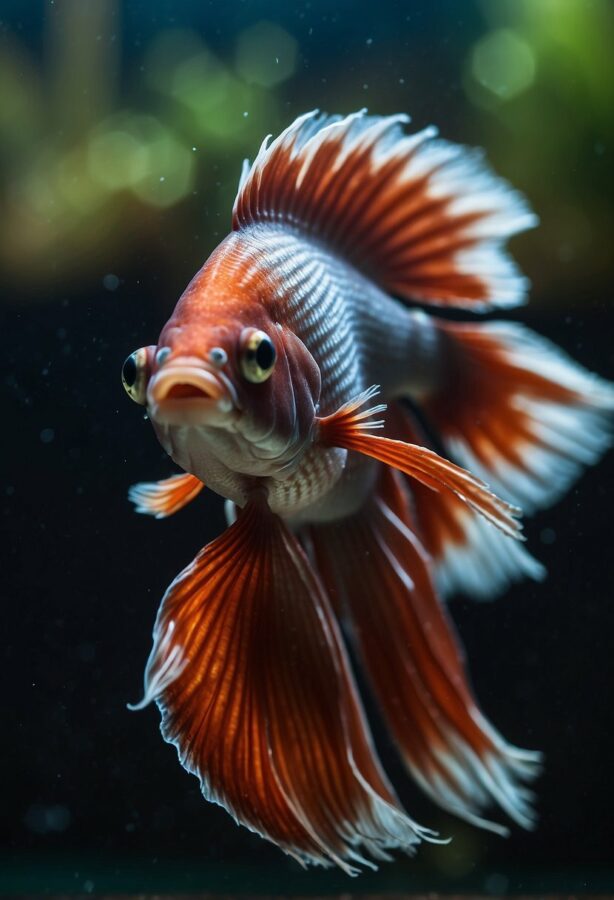
Your betta might have fin rot if its fins or tail seem ragged.
Betta Fish And Betta Fish Varieties

Discover the colorful world of Betta fish and their array of tail types.
Crowntail Betta Flaunting Its Colorful Fins
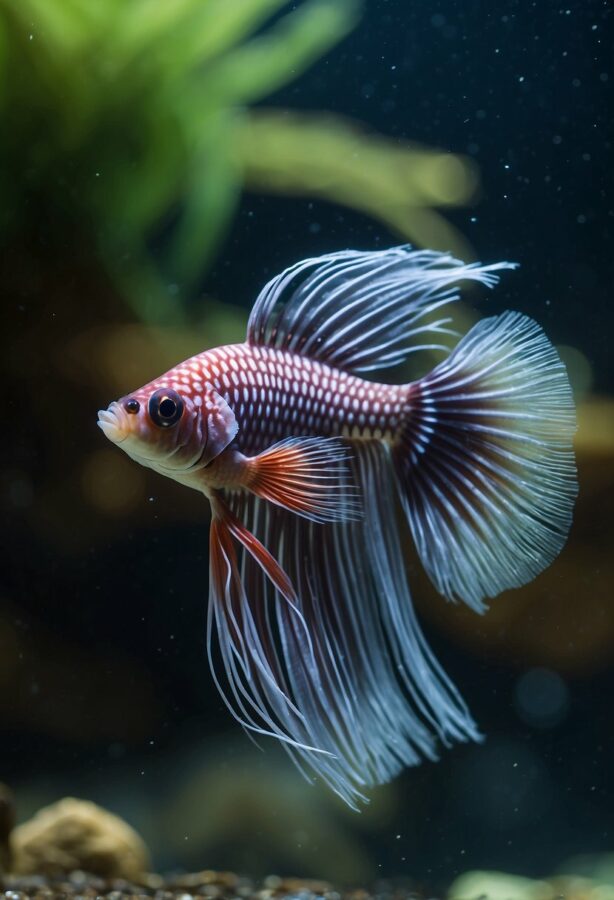
Imagine your Crowntail Betta, its vibrant tail like a royal robe.
Irukandji Jellyfish Floating In Deep Sea Water
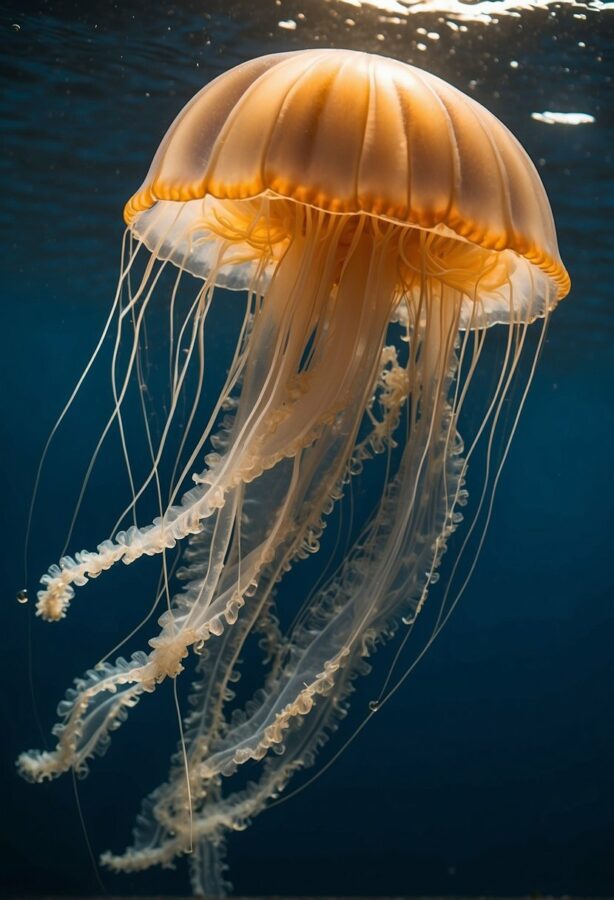
Your glimpse of the tiny Irukandji jellyfish reveals a surprisingly potent creature, no larger than a fingernail, effortlessly drifting in the vast deep blue.
Peacock Eel Slithering Through Aquarium Decor

Your peacock eel darts elegantly around plants and driftwood, a graceful dance in its water world.
Different Species Of Jellyfish In Marine Settings

- Lion’s Mane Jellyfish: You’ll spot these giants with their hair-like tentacles in colder Pacific and Atlantic waters.
- Moon Jellyfish: Your summer encounters may include these serene drifters in coastal locales.
- Box Jellyfish: Known for their potent sting, they’re often in tropical Indo-Pacific waters.
- Portuguese Man o’ War: Not true jellyfish, but you might see them floating with their sails in warm seas.
- Mauve Stinger: Keep an eye out for their purple glow in the Mediterranean and Atlantic.
Dragon Eel Peeking Out From Coral Reefs

Caught a glimpse of the Dragon Eel’s head poking from the reefs?
Zebra Eel Lurking In A Marine Cave

Your glimpse of the zebra moray eel is captivating as it coils in the shadows of its cave, the white rings contrasting starkly against its brown body, invoking a sense of mystery in the serene marine world it inhabits.
Iguana Lounging In A Naturalistic Habitat Setup

Your iguana’s chill spot is top-notch with plants and branches to laze on.
Iguana Inside A Spacious, Well-Equipped Tank

Your iguana’s tank should feel like a palace, with plenty of room to explore and all the essentials for a happy and healthy life. The terrarium, ideally spanning at least 3 x 2 x 2 feet for a pair of desert iguanas, becomes their mini ecosystem, where glass walls provide a clear view without restricting their roaming instincts.
Essential Tank Components:
- Space: Ample to roam, climb, and bask
- Substrate: Safe and easy to clean
- Heating: Regulated heat sources to mimic their warm habitat
- Lighting: UVB for vitamin D3 synthesis
Ensure you tick all these boxes, tailoring each element to your scaly buddy’s species-specific needs, and you’ll have a thriving green pal on your hands.
Eels In Various Habitats

Your underwater photo quest includes capturing eels, those slinky aquatic creatures with elongated bodies living in both freshwater rivers and saline ocean depths. Freshwater types like the American eel thrive in rivers and estuaries, while Moray eels prefer the cozy crevices of coral reefs. Don’t forget the Conger eels; find them gliding in the open sea, far from the coast. Ready your lens for an array of habitats, from muddy river bottoms to vibrant coral mazes. Keep it brief, focus on their hangouts, and snap the fascinating life of eels in their natural abodes.
Rhinoceros Iguana Displaying Its Unique Features

Your photo captures the rhinoceros iguana’s striking horned crest.
Flying Gecko Gliding Between Trees

Your gecko pal can glide up to 200 feet!
Fish Pellets Being Consumed By Various Aquarium Fish

Watch your guppies hustle for those sinking pellets!
Gecko Inside A Terrarium Mimicking Its Natural Habitat
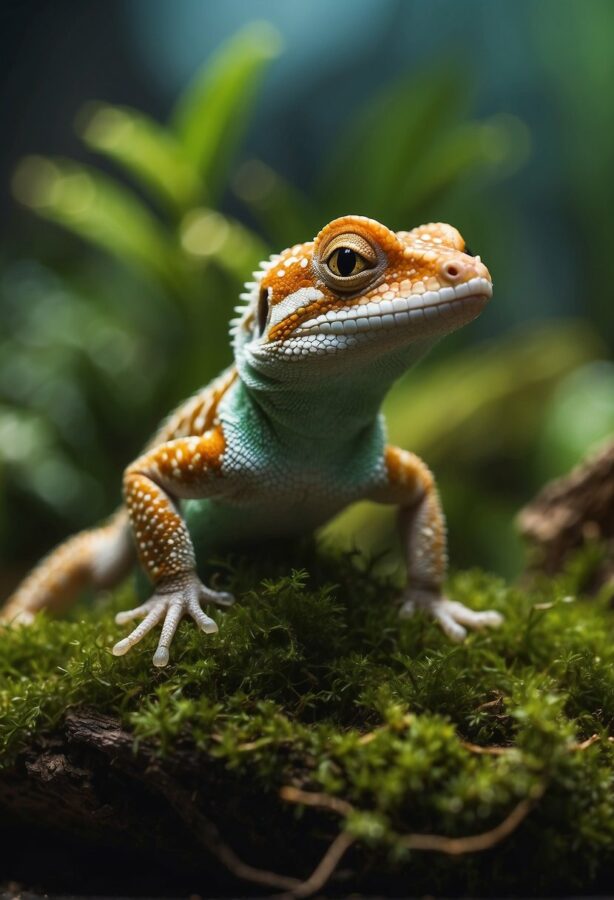
Your gecko’s terrarium should feel like home, with rock hides and a touch of low shrubs.
Iguana Terrarium With Tropical Plants And Basking Areas

Creating your iguana’s habitat, you’ll need to ensure a spacious terrarium—at least four times the length of your iguana—is enriched with tropical plants that abide by the iguana’s need for climbing and provide proper areas for basking.
Essentials | Details |
|---|---|
Size | Four times the length of the iguana. |
Temperature | 85-90℉ in cool area, 95-105℉ basking spot. |
Plants | Non-toxic, climbable; provides shade. |
Basking Areas | Safe spots equipped with an adjustable lamp. |
In designing your terrarium:
- Ensure adequate ventilation to keep air fresh.
- Use climbable branches for natural exercise.
- Secure basking lamps to establish a temperature gradient from warm to cooler areas, essential for your iguana’s thermoregulation.
- Add humidity through misting and plants.
Feeding Habits

You’ll find animals have diverse diets.
Black Aphids Infesting Garden Plants

Your plants might be under attack if you’re spotting clusters of tiny, dark pests – these could be Black Aphids. These pests are sap-sucking insects, often found on the undersides of leaves or on tender new growth. Aphis fabae, their scientific name, can cause noticeable damage by distorting and damaging the foliage they feed on. Here’s what you might observe:
- Appearance: Small, pear-shaped bodies with a gray-black hue.
- Size: Generally around 1/8 inch long.
- Favored Plants: These aphids prefer feeding on plants such as runner beans, nasturtiums, and celery, among others.
- Inspect your plants regularly, particularly the undersides of leaves.
- Introduce beneficial predators like ladybugs or lacewings in your garden.
- Use water sprays to dislodge aphids from your plants.
- Apply neem oil or insecticidal soap carefully, as per the product instructions.
Remember, a healthy plant is less susceptible to severe aphid damage, so maintain good plant care practices.
Goldfish Showing Unique Behavioral Traits
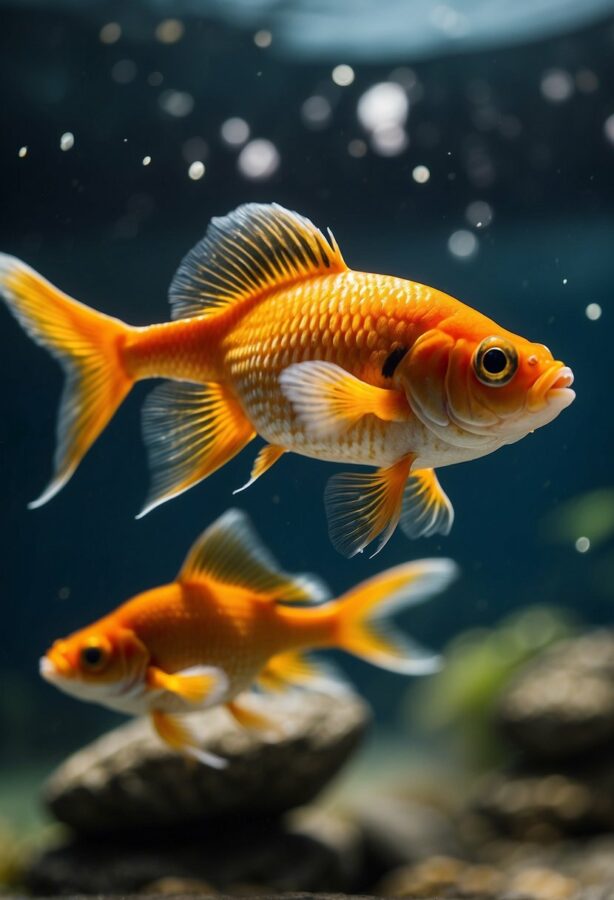
Watch your goldfish for group swims; it’s a sign of happiness.
Different Types Of Geckos In Various Environments

You’ll find geckos thriving in a range of environments, from humid rainforests to arid deserts. They adapt to these habitats with unique features like adhesive toe pads for climbing in tropical regions or camouflage for sandy terrains. Check out the variety:
Tropical Rainforest:
- Mourning Gecko: Often found in Hawaii.
- Tokay Gecko: Known for its vibrant colors and bold spots.
Deserts and Arid Regions:
- Bibron’s Gecko: Prefers rocky areas.
- Leopard Gecko: Popular as a pet due to its docile nature.
Urban Areas:
- Common House Gecko: A frequent home visitor.
- Asian Flat-Tailed House Gecko: Easily spotted on walls and ceilings.
Angelfish Care In A Home Aquarium Setting
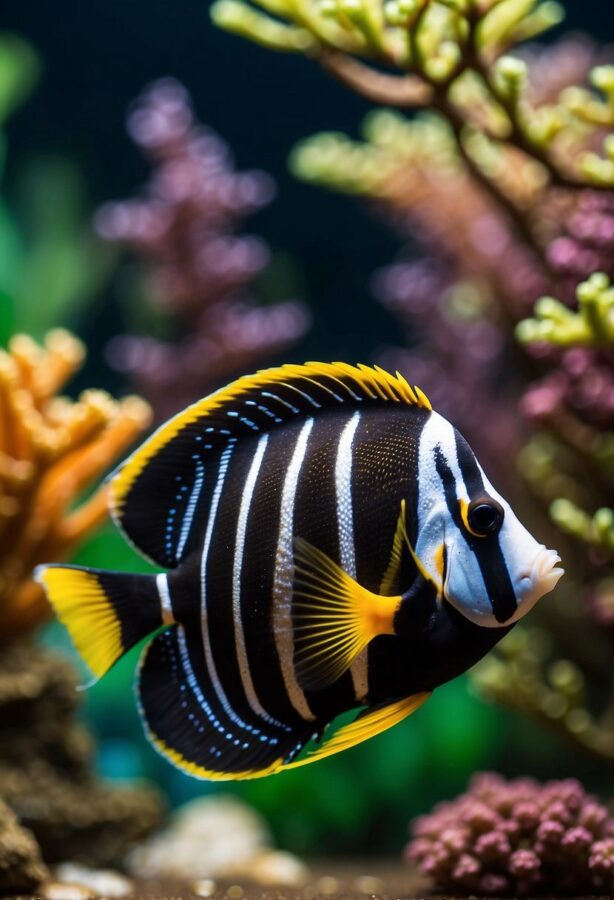
Your angelfish needs at least a 30-gallon tank.
Leaf Bug Mimicking Its Environment Perfectly

You can’t spot the leaf bug at first glance, can you?
Iguanas And Habitats

You’ll find iguanas chilling in rainforests and swamps, mostly.
Emperor Angelfish Swimming Majestically In A Reef Tank
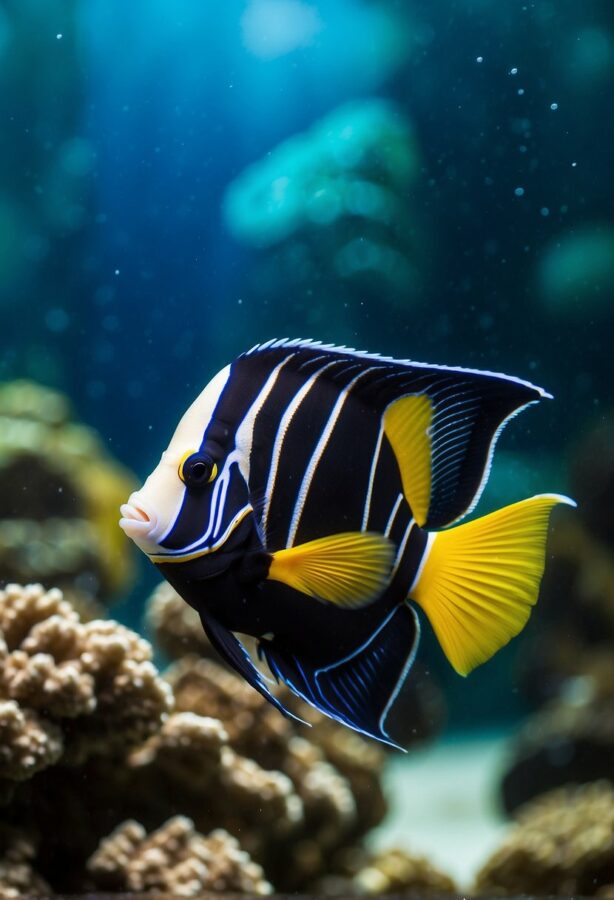
Imagine your reef tank, now home to the vibrant Emperor Angelfish, gliding through the water with effortless grace.
Goldfish In A Well-Maintained Home Aquarium
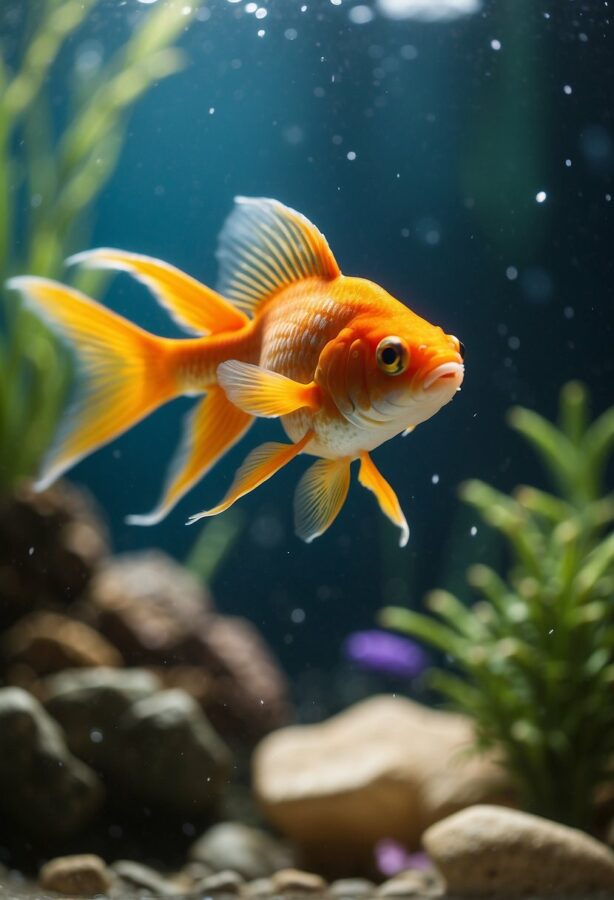
Your goldfish’s vibrancy pops in a clean tank.
Geckos In Their Environments
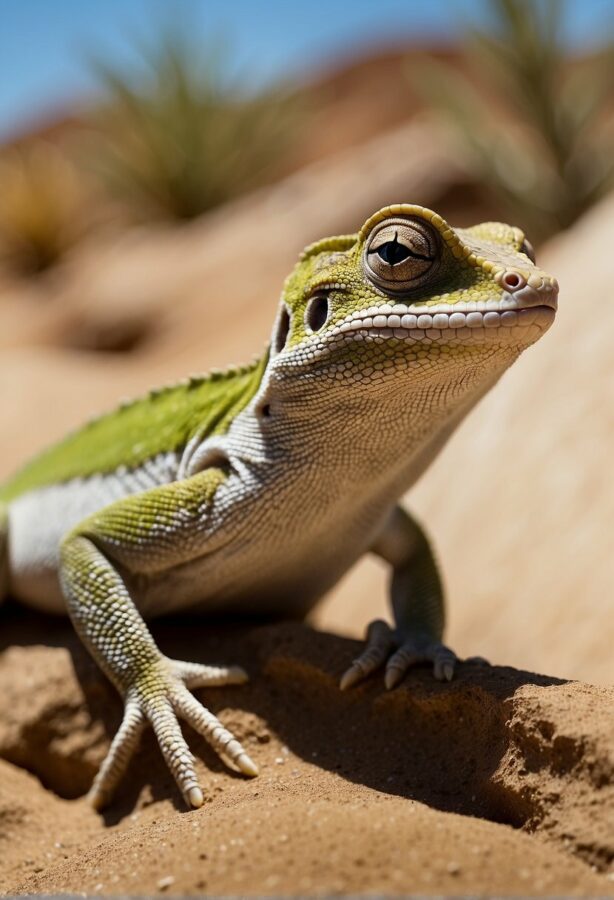
Check out how geckos masterfully blend into their homes!
Saltwater Angelfish Among Coral Reefs
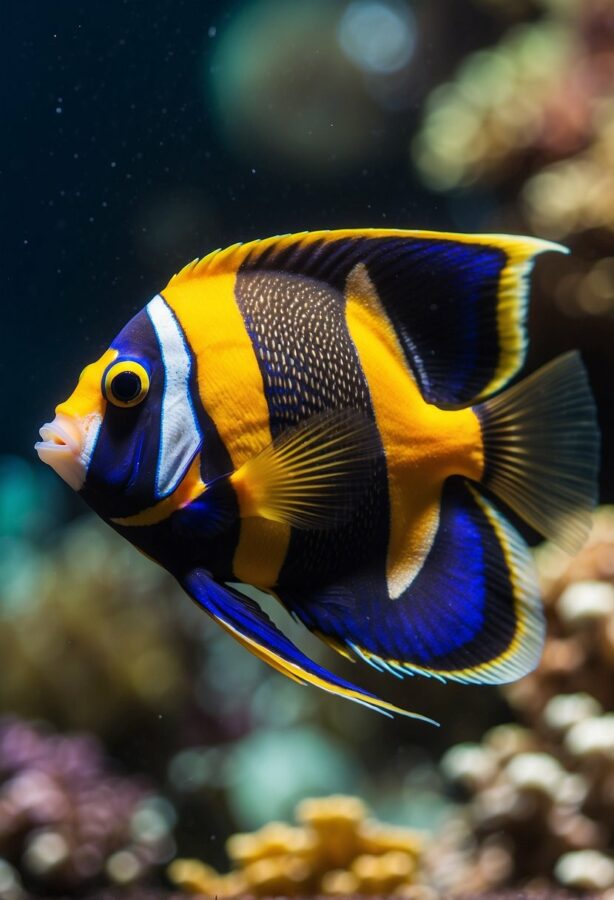
You’ll find saltwater angelfish adding splashes of color to the dynamic backdrop of coral reefs.
Goldfish Behaviors And Environments
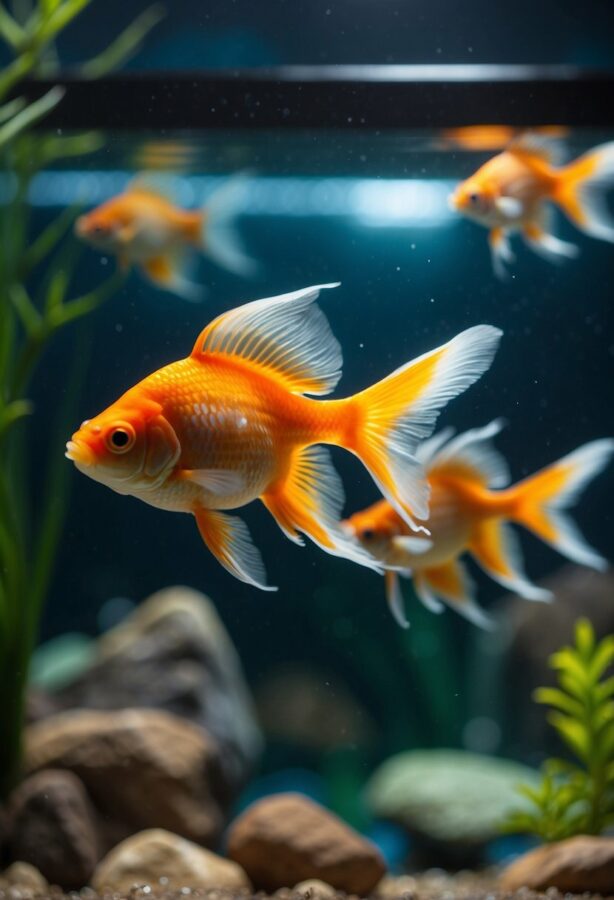
You’ll find your goldfish often peering up, eagerly awaiting food.
Angelfish Varieties And Care
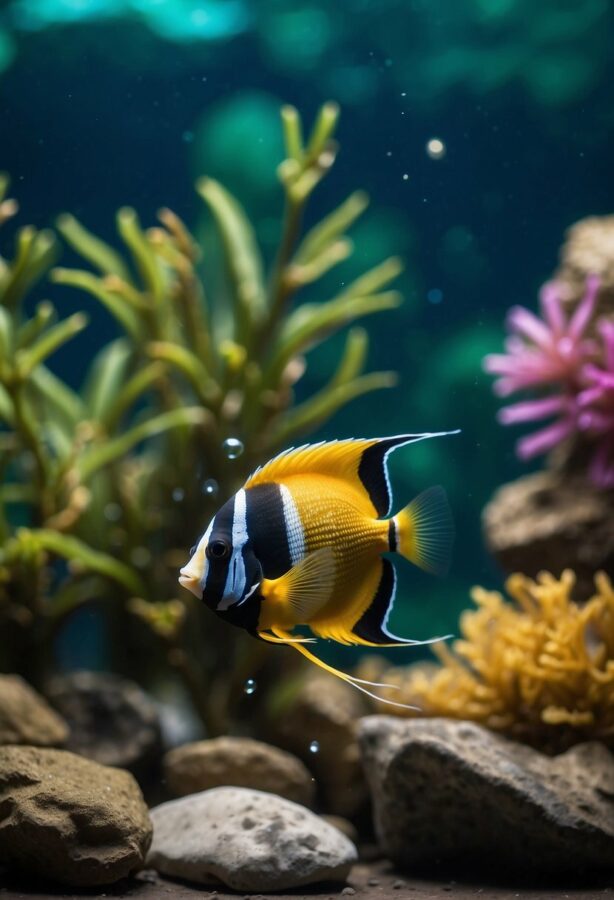
Your angelfish tank is a canvas for a variety of species.
Insects And Camouflage

Your backyard’s a stage for master hiders.
Lifestages Of Bugs
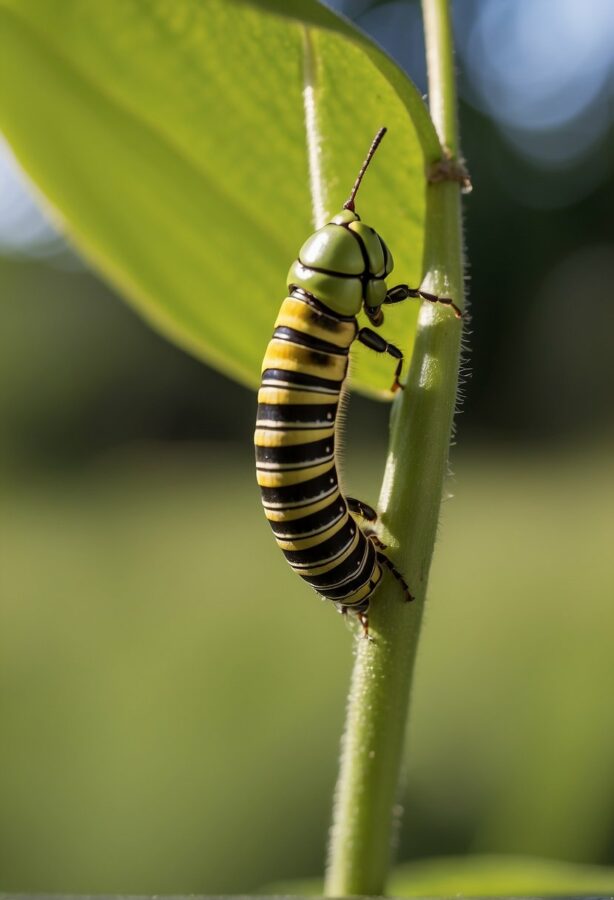
You’d find it fascinating that bugs, like the vibrant ladybug, go through four distinct yet discreet life stages, starting as tiny eggs laid in clusters. Once they hatch, you’re looking at larvae that voraciously feed for up to twenty days, transforming into pupae, and finally, after about two weeks, mature into adult insects—each phase critical for those tiny backyard heroes. Remember, despite what might look like mere creepy crawlies to you, they’re essential to our ecosystem, pollinating and keeping our soil healthy, kind of like unsung little guardians of our planet.