Overview

Amid rising concerns over ocean health and sustainable practices, British retail giants and seafood entities have come under scrutiny. These firms promised sustainable sourcing of scampi, yet activists argue that efforts to minimize ecological footprints in the lucrative £68 million langoustine sector are falling short.
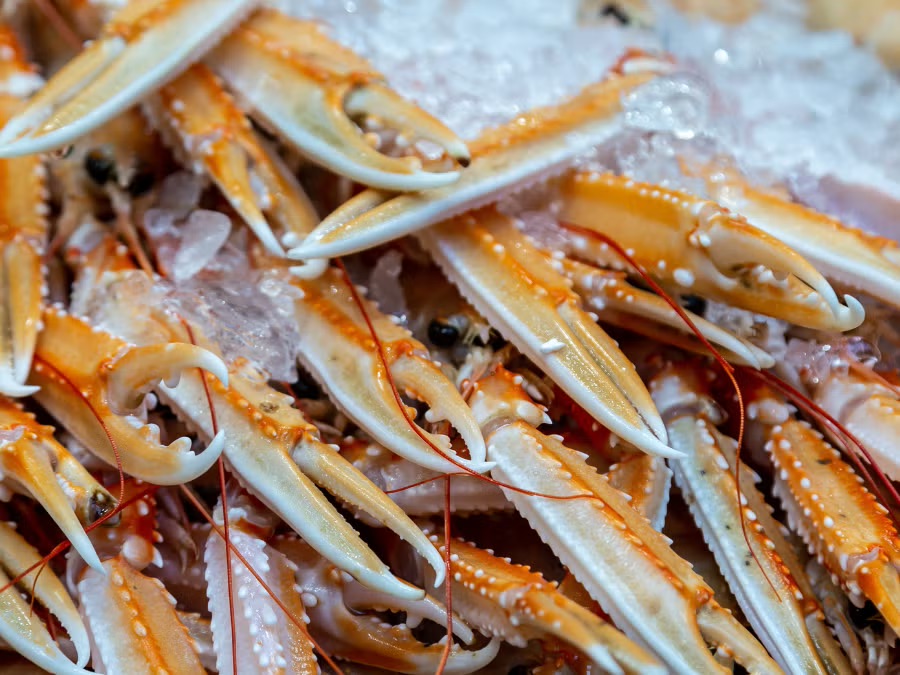
The langoustine, a modest crustacean with a sought-after tail sold as scampi, thrives on the ocean floor across northern Atlantic waters. Its harvesting mainly involves bottom-trawling, which stirs controversy due to the environmental strain it places on marine ecosystems. This technique, which drags heavy nets across the seabed, is known for disturbing seabed habitats and capturing a wide array of unintended marine life (bycatch), distressingly impacting biodiversity.
Representative of these companies are household names such as Tesco and Sainsbury’s along with seafood suppliers like Whitby Seafoods, all participants in a fishery improvement project (FIP). The FIP’s mission is sustainability, but watchdog groups like Open Seas contest the progress, citing a failure to meet its targets by its April 2024 deadline and voicing alarm over the consequences for vulnerable marine life.
See Related: What is Bioluminescence? Nature’s Living Light Explained
Contrarily, the UK fishery advisory body Seafish disputes the severity of bycatch in the industry, positing that the majority of captured marine life has commercial viability. The Marine Stewardship Council (MSC), despite acknowledging delays, points out the advancements made and remains steadfast in supporting UK fisheries towards sustainable practices.
A collective of retailers has responded, either through the British Retail Consortium or independently, to articulate their commitment to sustainable sourcing and active pursuit of solutions within the industry. Furthermore, obstacles such as Brexit and the pandemic are cited as impediments to the project’s progression.
As consumer awareness increases, pressure mounts on these organizations to not only improve transparency and monitoring of fishing operations but also to align their actions with their stated objectives of sustainability. This narrative is not only crucial for ecological conservation but also forms the bedrock of trust between consumers, retailers, and conservationists.
Related Resources: