Bats Flying at Dusk
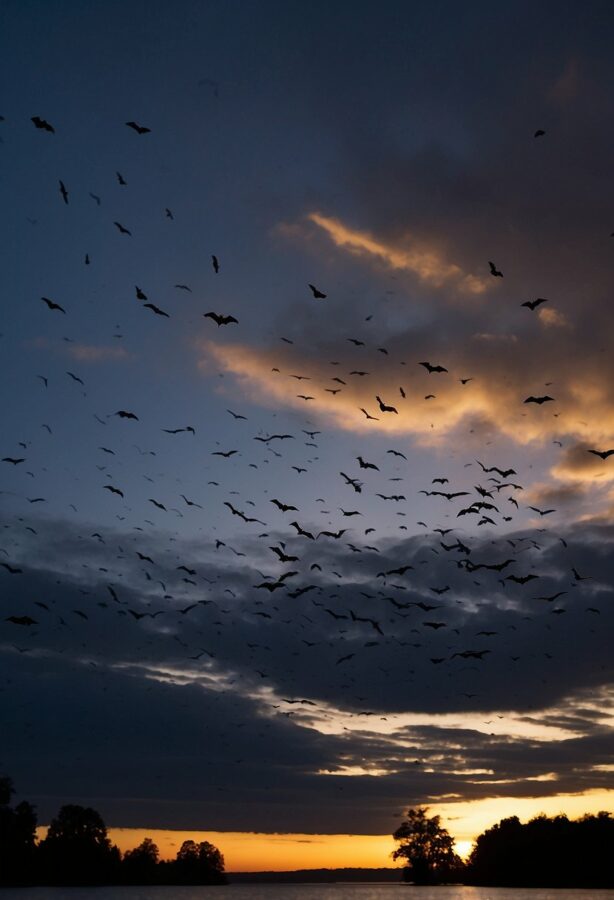
At dusk, you’ll catch bats swooping in the twilight, feasting on insects.
Various Species of Catfish in Freshwater Environments

You’ll find a diverse range of catfish species in freshwater habitats. Each species has adapted to its unique environment in remarkable ways. Here’s a brief look at some species you might encounter:
North American Catfish
- Channel Catfish (Ictalurus punctatus): Recognizable by their slender bodies and deeply forked tails, they’re a popular catch.
- Blue Catfish (Ictalurus furcatus): The giants of the freshwater, with some growing over 100 pounds.
- Flathead Catfish (Pylodictis olivares): Known for their flat heads and lack of a forked tail, preferring live prey.
Aquarium Catfish
- Corydoras: Small, peaceful bottom-dwellers ideal for community tanks.
- Plecostomus: Algae eaters with unique, sucker-like mouths.
- Bristlenose Catfish: Compact size with a distinct appearance, sporting bristle-like appendages.
Each of these catfish species brings its own flair to the freshwater ecosystems, from the mighty blues to the tiny corydoras.
Canary Singing in a Decorative Cage

Your canary’s cage becomes a piece of art with their joyful melodies.
Coyote Caught in a Humane Trap

Your photo captures the tense moment a coyote is secured in a humane trap.
Different Owl Species Perched in Their Natural Habitat

Your backyard might host a Barn Owl.
Nilgai Antelope Grazing in the Field

You spot the Nilgai’s subtle blue hue among the grasses.
Pregnant Guppy Fish in a Planted Aquarium

Your planted aquarium provides an ideal setting for pregnant guppy fish, offering them numerous hiding spots and a stable environment which is critical during their gestation period. Live plants like Java Fern and Anubias can serve both aesthetic and practical purposes, helping to oxygenate the water and also giving fry places to hide post-birth.
Keep an eye on water quality; pregnant guppies thrive in clean, well-oxygenated water with a temperature between 76-80°F and a pH level from 6.8-7.8. Regularly testing your water parameters ensures a safe birthing process.
Diet is crucial, too; high-quality flakes or pellets, supplemented with live foods such as bloodworms and brine shrimp, support the health of the expectant mother and the development of her fry.
When you notice the female’s abdomen has grown significantly and her gravid spot—the darker area near her back fin—has darkened, she’s likely close to giving birth.
Remember to:
- Monitor water quality
- Maintain proper temperature
- Offer dietary variety
Tip: A separate breeding tank can be helpful to ensure fry survival, as it keeps them safe from potential predators, including adult guppies, in the main aquarium.
By providing a nourishing and protective environment, you’re setting the stage for a successful guppy pregnancy in your aquatic garden.
Chinchilla Eating Specialized Food
Your chinchilla needs specific foods for a healthy diet.
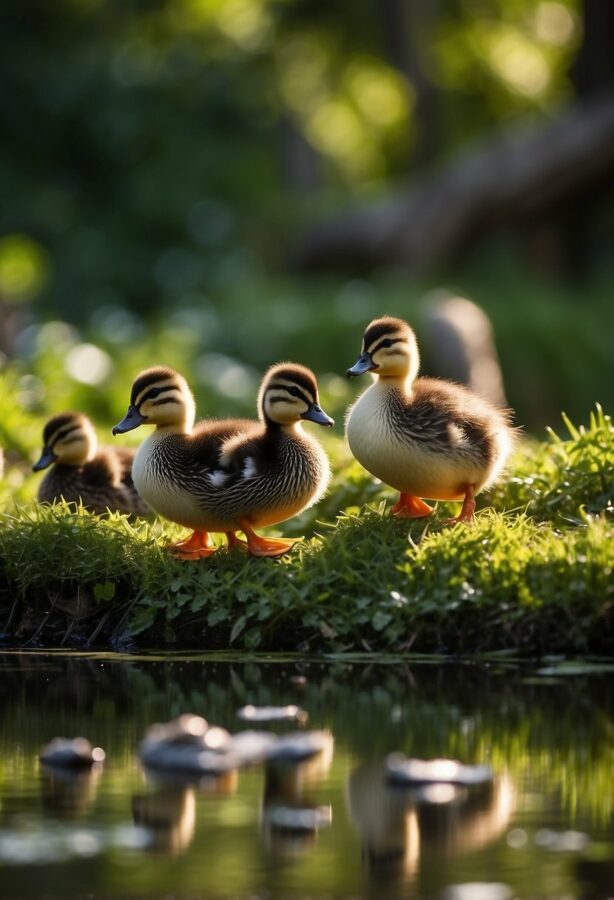
Ducks Swimming in a Pond with Ducklings
You’ll find mama ducks leading a line of fluffy ducklings across the pond.
Earwigs Close-Up in a Garden Setting

With your macro lens, you’ll capture earwigs‘ intrigue amidst the foliage.
Pygmy Chameleon Camouflaged on a Leaf

Your tiny chameleon’s a master at hide-and-seek.
Turkey Eggs in an Incubator

Ensure your incubator has enough space for all your turkey eggs.
Freshwater Seahorses Clinging to Aquarium Plants

You won’t find any clinging, as freshwater seahorses aren’t real!
An Owl House Mounted on a Tree

Mounting an owl house on a tree requires a bit of know-how. First, you’ll need a suitable owl house, which is typically around 16 inches tall, 8 inches square, with a 3- to 4-inch entrance hole. Choose a tree tall enough for the owl house to sit 15′ high, ensuring it is below the canopy yet clear of dense branches for easy owl access. For ideal conditions, angle the entrance East or Southeast to get morning sun and avoid the harsh afternoon heat. Key features of the box should include a slanted roof to shed rain and ventilation holes to maintain proper air flow. By following these guidelines, you create a welcoming space for owls to make a nest.
Oranda Goldfish in a Spacious Aquarium
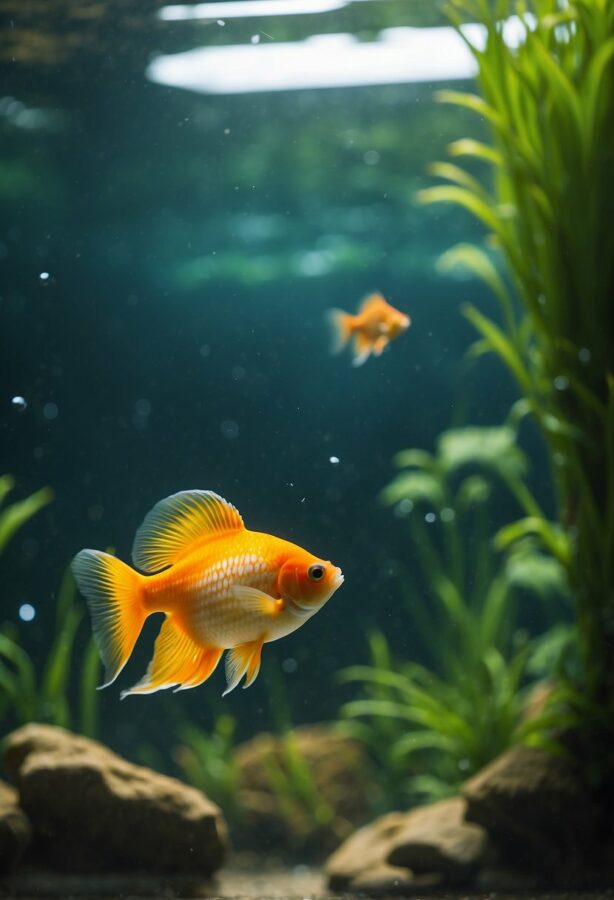
Your Oranda thrives when it has room to swim.
Otters Playing in a Riverbank Habitat

You’ll often spot North American river otters (Lontra canadensis) engaged in play along riverbanks, a behavior that’s vital for their social bonding and fine-tuning hunting techniques. These creatures are well-adapted to their aquatic habitats, with sleek, water-repellent fur keeping them dry and warm during their aquatic escapades.
- Habitat: Riverbanks, coastal shorelines, estuaries
- Playful Activities: Sliding, wrestling, chasing
These playful mammals are not just entertaining to watch; their frolicking is part of learning survival skills and establishing the hierarchy within their groups. So, next time you see photos of otters cavorting in the water or along the river’s edge, remember you’re witnessing important social behavior in their natural environment.
Marine Otter Lying on a Seashore Rock

You find the sight of a marine otter on a rock simply charming.
Lifecycle Stages of a Salamander

You’ll find salamanders inching through their life starting as eggs. These small amphibians begin life in the water, often in a jelly-like egg mass. After hatching, they’re termed larvae and resemble tadpoles, breathing through gills. Your salamander then transforms during the metamorphosis stage, where they develop lungs for life on land as juveniles. As adults, they’re ready for the final life stage, seeking out moist environments to support their semi-aquatic lifestyle.
- Eggs: Clusters laid in water.
- Larvae: Gilled, aquatic stage.
- Metamorphosis: Transition to juvenile, lungs develop.
- Adult: Fully developed, capable of reproduction.
Keep in mind every species has its unique timing for these stages.
Tiger Roaming in a Dense Forest
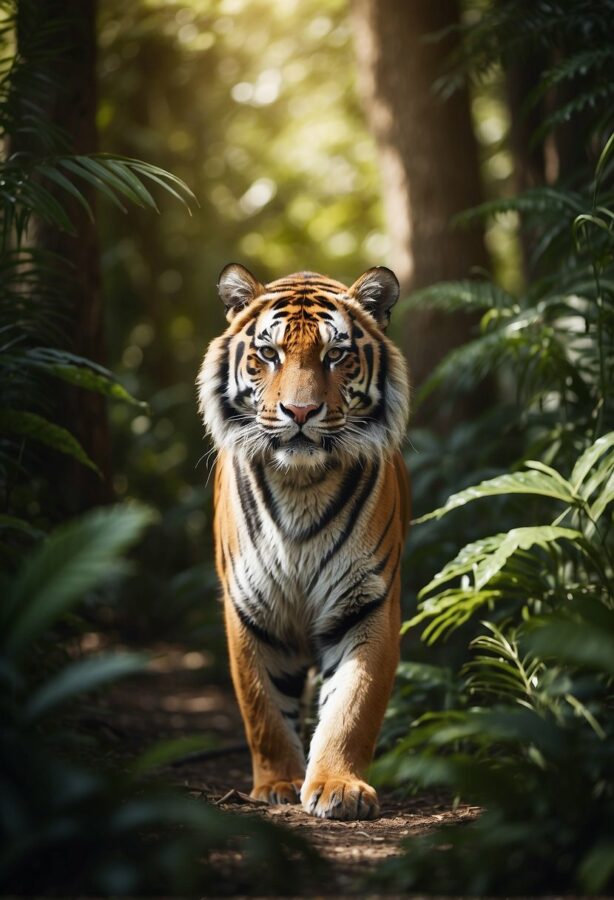
You catch a glimpse of the majestic tiger, its orange and black coat melding with the dense foliage.
Mice Eating Various Food Items

You’ll find mice aren’t picky, feasting on sweets to seeds.
Bull Arab Dogs on a Hunt

Bull Arab dogs excel in tracking and pinning down prey on a hunt.
Italian Bull Mastiff Guarding a Property

Check out this mighty Bullmastiff, your steadfast garden guardian!
Different Types of Bird Seeds Stored Properly

Bird food varies, but sunflower seeds, peanuts, and suet are among your go-tos. For the longevity of seeds like rapeseed and canary seed, which are less popular among a wide range of birds, it’s key to store them in a way that prevents spoilage. Use plastic containers or metal bins to deter pests, and keep your supplies in a dry, cool place to avoid humidity damage. Here’s a quick guide:
- Sunflower Seeds: Preferred by many birds; store in a dry, sealed container.
- Millet: Ideal for ground feeding birds; keep in a moisture-free environment.
- Milo: Less favored; store similarly to millet to avoid waste.
- Rapeseed: Attracts finches and doves; use promptly or freeze to extend freshness.
- Canary Seed: Loved by sparrows; best in a cool, pest-resistant container.
Label your containers to keep track of types and freshness dates – your birds will thank you!
Clam Buried in Sand with Open Shells

You find clams with open shells fascinating, peeking out from their sandy hideaways at low tide.
Blue-Spotted Stingray Gliding Over Coral Reefs

You’ll find the blue-spotted stingray showing off vibrant spots as it navigates through the warm tropical waters of coral reef habitats. Its gracefulness is accentuated by the dynamic backdrop of corals, and often, it’s accompanied by dutiful cleaner fish. These rays are a tropical wonder, mostly spotted (pun intended) in shallows of the Indian and Pacific Oceans. For photographers, these creatures offer a spectacular subject against the rich, colorful canvas of the ocean floor.
Habitat:
- Location: Tropical Indo-Pacific region
- Depth: Intertidal zone to 30 m
Appearance:
- Color: Bright blue spots on a tan body
- Shape: Disc-like with long, thin tail
Do remember:
- Rays prefer not to be buried; they’re often visible while swimming.
- In photographs, they can bring life to the intricate details of coral reefs.
Redbone Hound on a Trail

Your Redbone Coonhound’s red coat shines in the sun as it trails scents.
Beagle Basset Hound Mix Sniffing in a Park

You spot the Bagle Hound’s keen nose at work, unraveling scents.
Setting Up Groundhog Traps Humanely
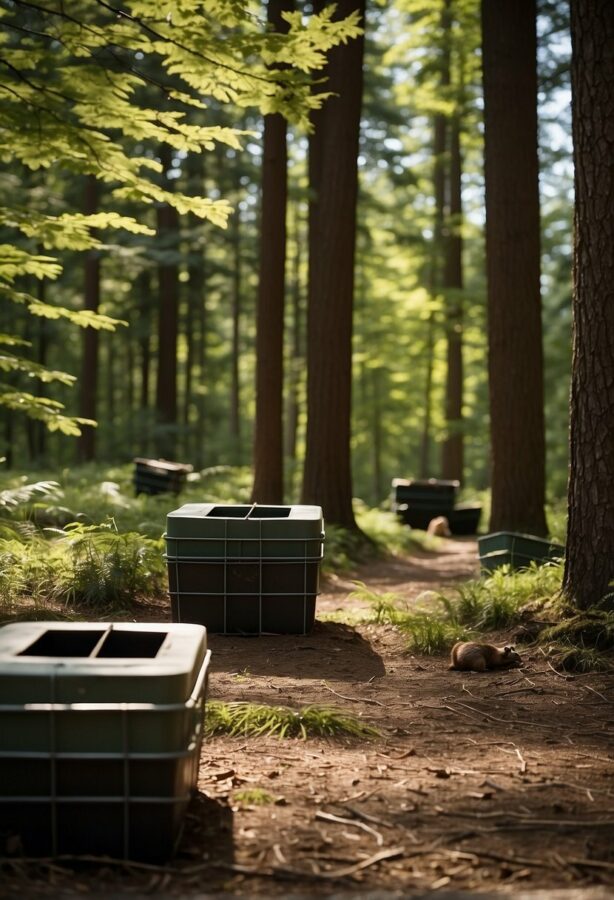
When setting a humane trap for groundhogs, ensure it’s spacious and sturdy.
Close-Up of Centipedes in a Natural Setting

Catch a glimpse of centipedes’ intricate patterns up close.
Wolf Pack in a Snow-Covered Forest
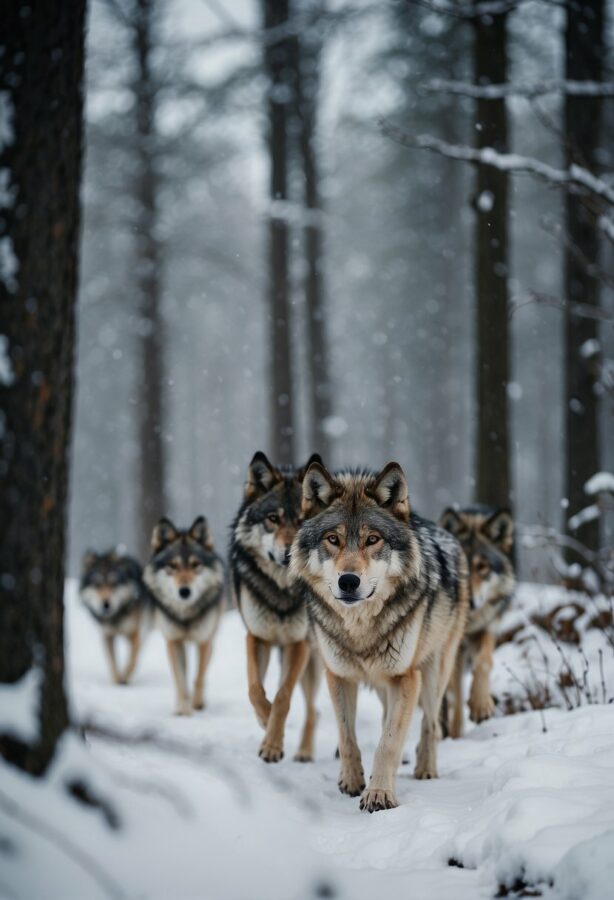
You see the unity of a wolf pack weaving through the snowy pines.
Pet Ducks Playing in a Backyard Pond

Your backyard can transform into a lively scene with just a simple Rubbermaid tub or collapsible pool, making a perfect playground for your feathered friends. Ducks adore splashing around, so envision mallard pairs or a group of domestic ducks, turning the still water into a spectacle of ripples as they play.
- Rubbermaid Tub Pond: Ideal for small spaces, you simply dig a hole, install the tub, and surround it with pebbles.
- Collapsible Pool: Versatile and easy to store, it’s perfect for duck playtime.
Ensure the water is clean, giving them a healthy and enjoyable spot to swim. Ducks express joy vividly through their watery antics, providing you with endless entertainment and some heartwarming photo opportunities.
Penguin Waddling in a Controlled Environment

Watch how penguins waddle efficiently in their zoo habitat.
Eclectus Parrot Perched Elegantly in a Domestic Setting

You’ll admire its vibrant plumage.
Snail Eggs Clustered Underneath a Leaf

You’ll find snail eggs hidden like pearls beneath leaves.
Various Kinds of Turtles in Their Habitats

Imagine you’re snorkeling in the ocean, there’s a chance you’ll spot a sea turtle, gliding through the salty blue, their large flippers specially adapted for long journeys, like the leatherbacks who navigate thousands of miles. On the other hand, if you’re trekking through a forest, you might encounter a tortoise trudging along on land, with stout, columnar legs perfect for a terrestrial lifestyle. Those living in brackish waters, such as terrapins, strike a balance between fresh and saltwater habitats, often seen basking on logs or rocks. Then there are the small, elusive species, like the speckled padloper tortoise, master of hiding in rocky outcrops.
Miniature Turtles in a Small Aquarium Setup

Your tiny turtle friends don’t need a mansion; a small aquarium can be just the spot for those petite paddlers. Here’s how to set up a comfy aquatic home:
-
Select the Right Turtle Species: Go for species that naturally stay small like musk turtles or spotted turtles.
-
Aquarium Size: Opt for a 20 to 40-gallon tank to ensure they’ve got enough space without it being overwhelming.
-
Water Quality: Keep it clean and filtered; turtles are messy, and good filtration is a must.
-
Basking Area: Include a warm spot above water where they can soak up some heat.
-
Substrate: Choose a fine, non-abrasive substrate to line their home comfortably.
-
Plants: Real or fake, they provide hiding places and make the tank look great.
-
Diet: Offer a balanced mix of turtle food, insects, and leafy greens.
-
Temperature Control: Maintain the water temperature with a heater and keep the basking area warm with a lamp.
Remember, the key to happy turtles is a well-maintained tank tailored to their size and needs.
Fuzzy Caterpillars on a Leaf

Bright bands of color mark your fuzzy find as a Woolly Bear.
Florida Caterpillars Indigenous to the Region

Check out these native Florida caterpillars!
Ground Hornet Near Its Nest Entrance

You’ll spot ground hornets by the sizable entrance holes in your yard.
Betta Fish Showing Signs of Diseases
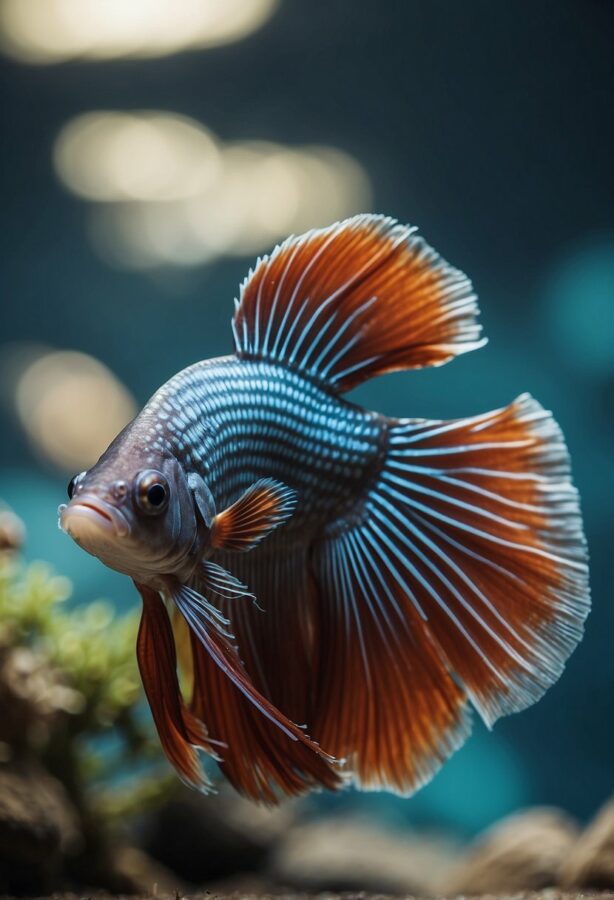
White spots on your betta might mean ich.
Jellyfish Drifting in the Ocean Current

Jellyfish are not passive drifters; they actively navigate currents.
Agama Lizard Basking on a Rock

Your agama lizard photo hunt should focus on capturing the vivid contrast of the lizard’s scales against the rugged texture of the rock during its most active basking times.
Koi Fish Swimming Gracefully in a Pond

Capture the serene movement of Koi as they glide through water.
Pet Gecko in a Well-Decorated Terrarium
Your gecko’s pad can be its own mini desert oasis.
Different Insects in a Bug Habitat

In your backyard, you might spot ants, bees, and ladybugs.
Black Kittens Playing Together

Your photo album’s in for a treat with snapshots of black kittens playfully tussling.
Kittens Engaging in Play

Your heart melts watching kittens swat toy mice.
Rabbit Farming: Bunnies in a Safe Enclosure
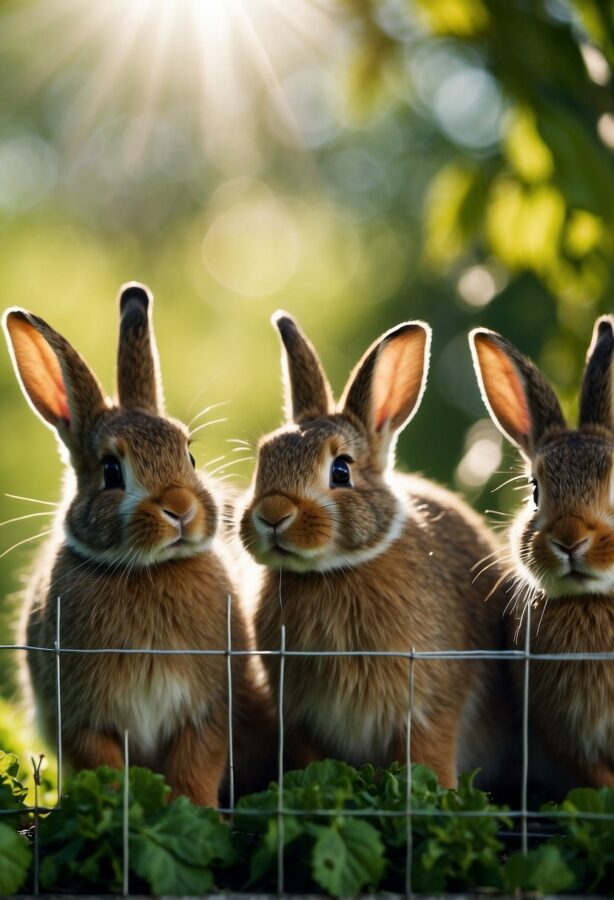
When setting up a rabbit farm, your bunnies’ safety is paramount. Begin with a spacious enclosure – aim for a minimum of 8 square feet per bunny and an additional 24 square feet for exercise, allowing them to hop, play, and explore freely. Keep in mind that rabbits are nimble and diggers by nature, hence it is essential to secure the enclosure both below and above ground:
- Digging Protection: Bury the enclosure’s fence at least 50cm into the ground.
- Jumping Security: The fence should stand at least 150cm high to discourage escape artists.
Your rabbits’ hutch serves as a safe haven for rest and should be cozy, furnished with food, water, and hay. For multiple rabbits, a larger structure like a shed or a barn is ideal. Remember to insulate this space to provide a buffer against weather extremes – from the summer heat to winter chills.
A well-designed space not only keeps your rabbits secure but also contributes to their overall well-being, enveloping them in a stress-free, joyful environment. Here’s a quick checklist:
- [ ] Spacious Enclosure
- [ ] Secure Fencing
- [ ] Comfortable Hutch
- [ ] Weather Insulation
By attentively crafting a safe enclosure, you can ensure that your bunnies will thrive in their new home.