Wildlife sanctuaries are crucial conservation areas that aim to protect and preserve the natural habitats of various animal species. These designated areas not only provide a safe haven for wildlife but also play a significant role in maintaining the balance of our delicate ecosystem. Wildlife sanctuaries are essential for the survival of numerous endangered and threatened species, as they offer protection from human interference, poaching, and habitat destruction.

These sanctuaries serve as a reminder of the importance of biodiversity and the need to conserve it for future generations. In this article, we will explore the significance of wildlife sanctuaries, their role in promoting ecotourism, and the efforts being made to expand and improve these protected areas. From the vast savannas of Africa to the dense rainforests of Asia, wildlife sanctuaries can be found all around the globe, providing a safe and natural habitat for a diverse range of animal species. As we delve deeper into the world of wildlife sanctuaries, we will discover the various challenges and successes in protecting and preserving these precious areas of our planet.
Maasai Mara National Reserve, Kenya

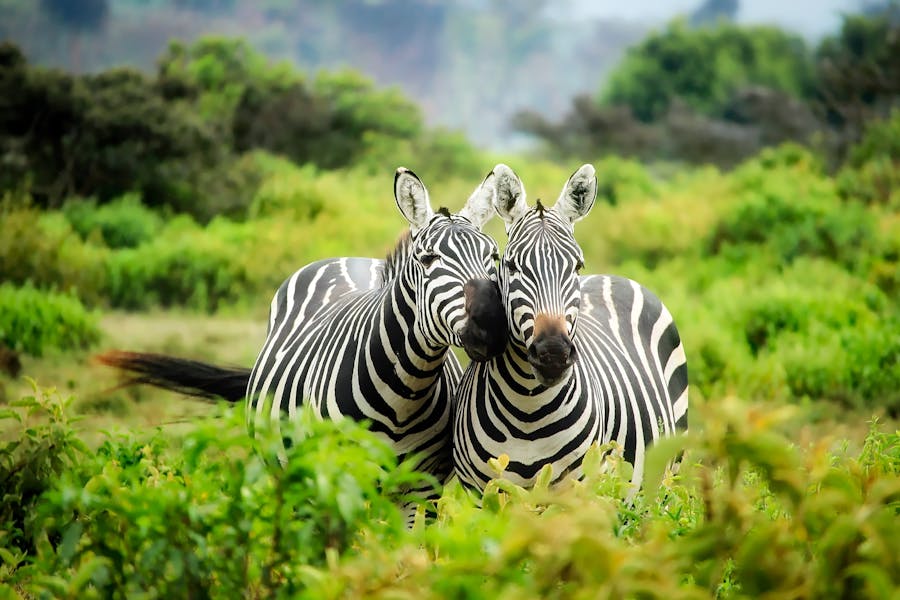
Located in southwestern Kenya, the Maasai Mara National Reserve stands as one of Africa’s most iconic and revered wildlife sanctuaries. Spanning over 1,500 square kilometers, the reserve offers visitors a truly immersive safari experience, with its vast open grasslands, rolling hills, and abundant wildlife. Renowned for the annual Great Migration, where millions of wildebeest, zebras, and other herbivores traverse the Mara River in search of greener pastures, the Maasai Mara provides a front-row seat to this awe-inspiring spectacle.
Apart from the migration, the reserve is home to an impressive array of wildlife, including lions, elephants, buffalo, and giraffes, offering visitors ample opportunities for unforgettable game drives and encounters with nature at its most untamed. With its stunning landscapes and unparalleled wildlife sightings, Maasai Mara National Reserve remains a must-visit destination for nature enthusiasts and wildlife lovers from around the globe.
Galapagos Islands, Ecuador

Nestled in the Pacific Ocean, the Galapagos Islands of Ecuador have long been hailed as a paradise for wildlife enthusiasts and nature lovers alike. This archipelago boasts a unique ecosystem that has captivated the imaginations of scientists and explorers for centuries. Charles Darwin’s visit to the islands in the 19th century sparked his groundbreaking theory of evolution, as he observed the distinct species and their adaptations to the isolated environment.
Today, the Galapagos Islands continue to astound visitors with their incredible biodiversity and endemic species, such as the iconic giant tortoises, marine iguanas, and blue-footed boobies. With its untouched landscapes, pristine beaches, and crystal-clear waters teeming with marine life, the Galapagos Islands offer a once-in-a-lifetime opportunity to witness the wonders of nature up close and personal. Whether it’s snorkeling with sea turtles, hiking through volcanic terrain, or simply basking in the awe-inspiring beauty of these islands, a journey to the Galapagos is an unforgettable experience that showcases the power and resilience of our natural world.
Yellowstone National Park, USA

Located in the western United States, Yellowstone National Park is a true gem among the world’s wildlife sanctuaries. Spanning across three states, this vast wilderness is renowned for its breathtaking landscapes and rich biodiversity. Yellowstone is home to an impressive array of wildlife, including grizzly bears, wolves, elk, and bison, just to name a few. The park’s unique geothermal features, such as the iconic Old Faithful geyser and the vibrant hot springs, add to its allure.
Visitors to Yellowstone can explore the park’s numerous hiking trails, witness the majestic beauty of the Yellowstone River and its magnificent waterfalls, or immerse themselves in the tranquility of its pristine lakes. With its awe-inspiring natural wonders and abundance of wildlife, Yellowstone National Park is a must-see destination for any nature lover.
Serengeti National Park, Tanzania

Sitting gracefully in the heart of Tanzania, Serengeti National Park stands as a testament to the untamed beauty of the African continent. Spanning over 14,000 square kilometers, this vast wilderness is a sanctuary for a staggering diversity of wildlife and is renowned for its annual Great Migration spectacle. The Serengeti is home to the iconic African Big Five – lions, elephants, leopards, rhinoceroses, and cape buffalos – along with an array of other fascinating species, including giraffes, zebras, cheetahs, and hippos.
The park’s sprawling grasslands, punctuated by rocky kopjes and winding rivers, create a breathtaking backdrop for unforgettable safari experiences. Whether it’s witnessing the dramatic predator-prey interactions on the plains or marveling at the sheer abundance of animal life, a visit to Serengeti National Park is a journey into the heart of Africa’s untamed wilderness.
Kangaroo Island, Australia

Nestled off the coast of South Australia, Kangaroo Island is a true wildlife haven that captivates visitors with its diverse ecosystems and abundant animal species. Spanning over 4,400 square kilometers, this pristine island is often referred to as Australia’s Galapagos, thanks to its unique and untouched natural beauty. Kangaroo Island is home to a remarkable array of wildlife, including its namesake kangaroos, as well as koalas, echidnas, wallabies, and an astounding variety of bird species.
The island’s protected areas, such as Flinders Chase National Park and Seal Bay Conservation Park, offer unparalleled opportunities to observe these animals in their natural habitats. From exploring rugged coastlines and towering cliffs to immersing in lush forests and tranquil lagoons, Kangaroo Island promises an unforgettable wildlife experience that showcases the remarkable biodiversity of Australia.
Borneo Rainforest, Malaysia
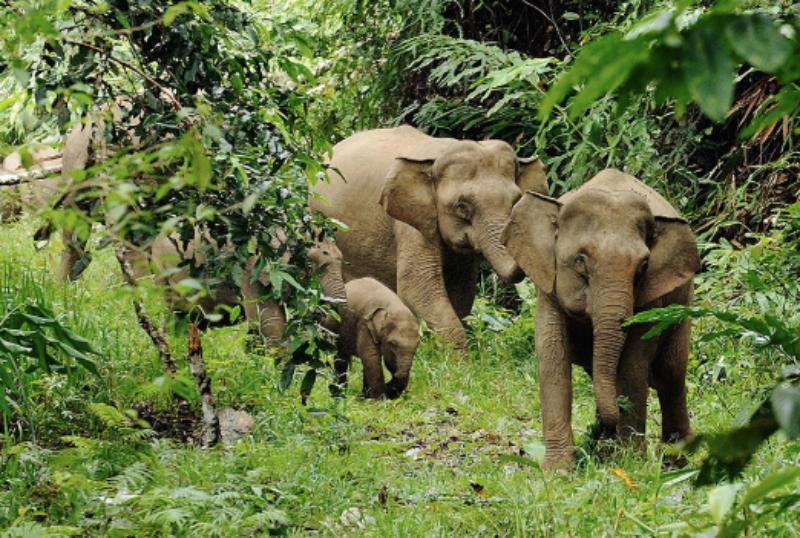
Nestled in Southeast Asia, the Borneo Rainforest in Malaysia is a natural wonder that entices wildlife enthusiasts from around the globe. Spanning over 140,000 square kilometers, this ancient rainforest is considered one of the oldest and most biodiverse ecosystems on Earth. It is home to a rich tapestry of flora and fauna, including endangered species such as orangutans, Bornean pygmy elephants, and proboscis monkeys. The dense foliage and towering trees provide a sanctuary for countless bird species, butterflies, and a breathtaking array of plant life.
Exploring the Borneo Rainforest offers a unique opportunity to witness the delicate balance of nature and immerse oneself in the sights and sounds of a truly remarkable wilderness. With its verdant canopies, winding rivers, and hidden waterfalls, the Borneo Rainforest is an essential destination for anyone seeking to connect with the natural world and experience the awe-inspiring beauty of Malaysia’s wildlife sanctuaries.
Pantanal, Brazil

Nestled in the heart of South America, Pantanal in Brazil is a wildlife enthusiast’s paradise. Spanning over 150,000 square kilometers, it is the world’s largest tropical wetland and boasts an impressive array of biodiversity. Its extraordinary ecosystem supports an astonishing variety of wildlife, making it a must-visit destination for nature lovers. From jaguars and giant otters to caimans and capybaras, the Pantanal is home to an abundance of iconic and elusive species.
The wetland’s mosaic of lush vegetation, sprawling grasslands, and shimmering waterways provides the perfect habitat for these remarkable creatures, offering visitors countless opportunities for wildlife encounters. Whether embarking on a boat safari along the meandering rivers or venturing into the remote corners of this vast region on a thrilling wildlife trek, exploring Pantanal promises a captivating and immersive experience in the heart of Brazil’s natural wonders.
Svalbard, Norway

Located in the Arctic region, Svalbard in Norway is a captivating destination for wildlife enthusiasts and nature lovers alike. This remote archipelago offers a unique opportunity to witness the untouched beauty of the Arctic wilderness and encounter a diverse range of remarkable wildlife species. Among its notable inhabitants are polar bears, reindeer, Arctic foxes, and seabirds. Svalbard’s pristine landscapes, including towering glaciers and icy fjords, serve as a breathtaking backdrop for unforgettable wildlife encounters.
Exploring this remote sanctuary can be done through various means, such as guided wildlife safaris, boat trips, or taking part in expeditions to witness the mesmerizing Northern Lights. Svalbard truly offers a remarkable experience for those seeking to immerse themselves in the wonders of the Arctic and witness the incredible wildlife that thrives in this remote corner of the world.
Bwindi Impenetrable Forest, Uganda
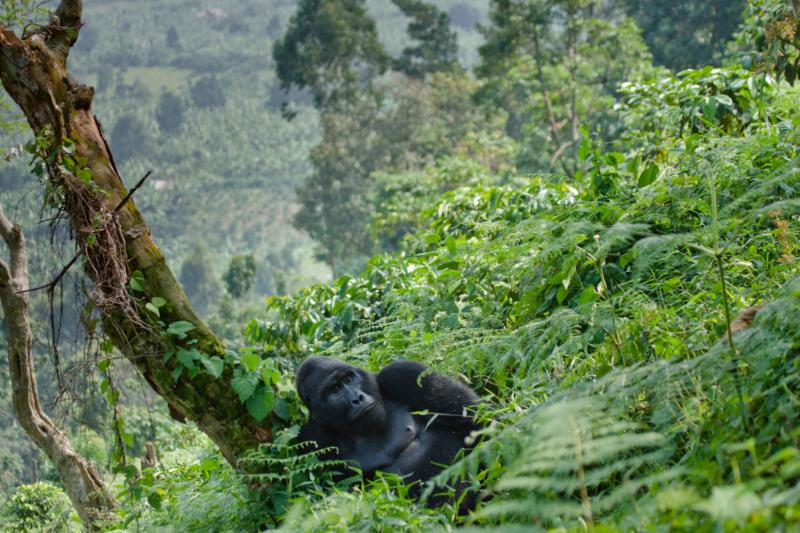
Nestled in the southwestern part of Uganda, Bwindi Impenetrable Forest stands as a remarkable sanctuary for some of the world’s most endangered species. This dense and ancient forest is renowned for being home to nearly half of the world’s population of mountain gorillas, making it a prime destination for wildlife enthusiasts and conservationists.
Trekking through the rugged terrain of Bwindi Impenetrable Forest offers a once-in-a-lifetime opportunity to observe these majestic creatures in their natural habitat, an experience that is both awe-inspiring and humbling. Beyond the gorillas, the forest teems with biodiversity, housing over 120 mammal species, including forest elephants, chimpanzees, and various monkey species. This UNESCO World Heritage Site not only captivates visitors with its natural beauty but also serves as a testament to the importance of conservation efforts in preserving our planet’s most precious wildlife treasures.
Great Barrier Reef, Australia

Australia’s Great Barrier Reef is undoubtedly one of the most iconic and awe-inspiring natural wonders on our planet. Stretching over 2,300 kilometers along the Queensland coastline, this vibrant underwater ecosystem is a sanctuary for an extraordinary array of marine life. With its crystal-clear turquoise waters and an abundance of coral formations, the Great Barrier Reef offers a mesmerizing spectacle for divers and snorkelers to explore.
From the colorful coral gardens teeming with exotic fish to encounters with majestic sea turtles and graceful manta rays, every moment spent in this ecological marvel is a captivating experience. Beyond its breathtaking beauty, the Great Barrier Reef also serves as a vital habitat for numerous endangered species, including the dugong and the green sea turtle, highlighting the significance of conservation efforts to protect this invaluable natural heritage.