National Geographic is a renowned institution when it comes to exploring and showcasing the diversity of our planet’s wildlife through stunning photography. For over a century, National Geographic has been at the forefront of documenting and preserving the beauty and fragility of our natural world. With a global network of photographers, scientists, and explorers, National Geographic has captured breathtaking images of wildlife that not only amaze and inspire, but also educate and raise awareness about the importance of conservation.
In this article, we will delve into the world of National Geographic’s wildlife photography, exploring the techniques, challenges, and stories behind the lens. From the vast landscapes of the African savannah to the depths of the ocean, we will discover the incredible work of National Geographic photographers who risk their lives to bring us up close and personal with some of the most magnificent creatures on our planet. So, let us embark on a visual journey, guided by the lens of National Geographic, and witness the magic of wildlife photography.
Close-Up Animal Portraits

One captivating and powerful technique in wildlife photography is capturing close-up animal portraits. These intimate shots allow photographers to showcase the intricate details and unique characteristics of their subjects, creating a deeper connection between the viewer and the animal. Close-up animal portraits enable us to appreciate the beauty and diversity of the animal kingdom in a more personal and intimate way.
By focusing on the mesmerizing eyes, intricate patterns, or fascinating textures, photographers can create compelling images that evoke emotions and tell stories about the incredible creatures that inhabit our planet. Whether it’s the piercing gaze of a predator or the delicate features of a tiny insect, close-up animal portraits offer a glimpse into the hidden world of wildlife, allowing us to marvel at the wonders of nature.
Wildlife Photography in Natural Habitats

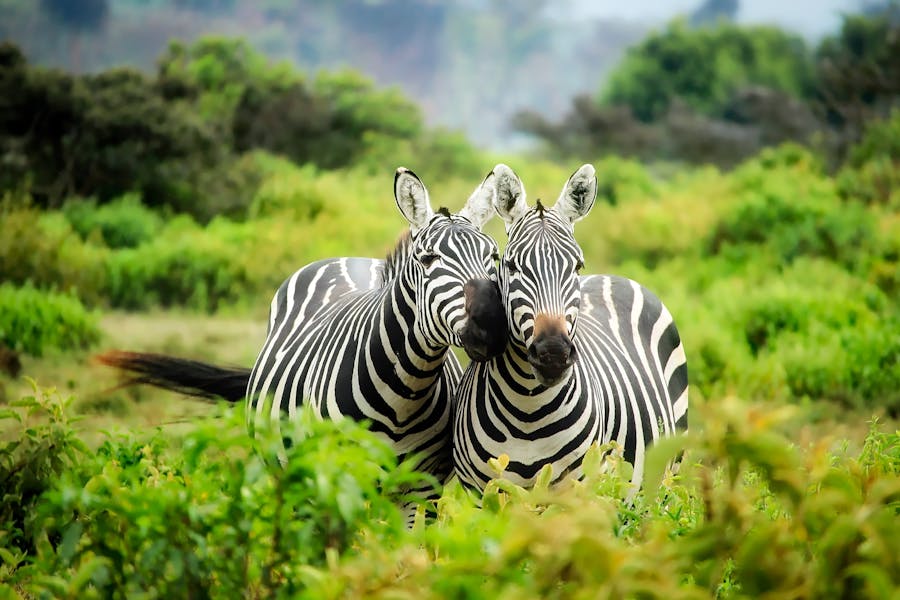
One of the most exhilarating aspects of wildlife photography is capturing animals in their natural habitats. Venturing into the wild allows photographers to witness the various behaviors and interactions of animals in their true environments, resulting in authentic and captivating imagery. The natural habitats provide unique opportunities to capture animals in their element, whether it’s a lion stalking its prey on the vast African savannah or a penguin gracefully navigating through icy waters in the Antarctic.
Photographing wildlife in these habitats allows us to document the beauty and diversity of ecosystems and shed light on the importance of conservation efforts. Immersed in the wilderness, photographers have the privilege of experiencing intimate moments with wildlife, capturing images that reflect the raw and untamed essence of the animal kingdom.
Monochrome Wildlife Photography

Monochrome wildlife photography offers a unique and artistic perspective on capturing the essence of nature and wildlife. By stripping away the distractions of color, photographers are able to focus on the textures, shapes, and contrasts that make up the subjects of their images. The monochromatic palette brings a sense of timelessness and sophistication to the photographs, allowing viewers to appreciate the details and emotions portrayed in a more profound way. The absence of color allows the photographer to highlight the intricate patterns of an animal’s fur or feathers, the intensity of its gaze, or the graceful movements it makes in its natural habitat.
Monochrome wildlife photography challenges us to see beyond the surface and delve deeper into the soul of the subject, encapsulating their strength, vulnerability, and the interconnectedness of all living beings. With careful composition and skilled use of light and shadow, monochrome wildlife photography has the power to evoke a sense of awe, wonder, and reverence for the natural world.
Minimalist Animal Silhouettes
Minimalist animal silhouettes offer yet another stunning approach to capturing the beauty and essence of wildlife through photography. By simplifying the image to a black silhouette against a contrasting background, photographers can create striking and eye-catching compositions. The minimalist style allows the viewer to focus solely on the form and contours of the animal, emphasizing its graceful shape and unique characteristics. These silhouettes can evoke a sense of mystery and intrigue, leaving room for the viewer’s imagination to fill in the details. Whether photographing a majestic lion, a soaring eagle, or a delicate butterfly, minimalist animal silhouettes provide a powerful visual impact that highlights the inherent elegance and majesty of the natural world.
Vintage National Geographic Photography

Vintage National Geographic photography is a treasure trove of captivating images that chronicle the wonders of our world. These timeless photographs capture not only the beauty of wildlife but also the cultural diversity, landscapes, and human experiences that define our planet. From the vivid hues of a coral reef to the piercing gaze of a wild tiger, each image tells a story and transports us to far-flung corners of the globe.
The meticulous attention to detail and the dedication of National Geographic photographers have resulted in a collection of photographs that not only serve as a visual feast but also serve as a historical record of our ever-changing world. Exploring vintage National Geographic photography is like embarking on a journey through time, providing us with a glimpse into the past while igniting our curiosity and appreciation for the natural world.
Wildlife Photography in Extreme Conditions

Wildlife photography in extreme conditions requires a unique set of skills, equipment, and a fearless spirit. These conditions can range from freezing temperatures in polar regions to scorching heat in deserts, or even treacherous terrains in remote locations. Capturing stunning images of wildlife in such challenging environments requires meticulous planning, patience, and adaptability. Photographers must be prepared to face unpredictable weather conditions, physical discomfort, and limited resources.
From protecting their gear against harsh elements to maneuvering through rugged terrains, photographers must demonstrate resilience and resourcefulness. However, the rewards of capturing breathtaking images of wildlife in extreme conditions are immeasurable. These photographs not only showcase the beauty and resilience of the natural world but also provide a glimpse into the lives of the extraordinary creatures that inhabit our planet. It is a testament to the dedication and passion of wildlife photographers who push the boundaries to capture these awe-inspiring moments in the harshest of environments.
High-Contrast Wildlife Photography
High-contrast wildlife photography is a technique that involves capturing images with a stark contrast between light and dark elements. This technique can create visually striking and dramatic photographs that highlight the intricate details and textures of the subject. To achieve high contrast, photographers often utilize strong backlighting or direct sunlight to create deep shadows and bright highlights. This technique can be particularly effective when photographing wildlife, as it emphasizes the subject’s features and adds a sense of depth and dimension to the image. By carefully manipulating exposure settings and utilizing post-processing techniques, photographers can enhance the contrast even further, resulting in captivating and impactful photographs that showcase the raw beauty of wildlife in its natural habitat.
Abstract Wildlife Photography

Abstract wildlife photography is a genre that presents a unique and unconventional perspective on capturing the essence of wildlife. Contrary to traditional wildlife photography, abstract wildlife photography focuses on portraying animals and their surroundings in a non-literal and artistic manner. It involves experimenting with various techniques such as motion blur, intentional camera movement, and creative framing to create visually compelling and thought-provoking images.
By blurring the lines between reality and abstraction, photographers can evoke a sense of mystery and intrigue, inviting viewers to interpret the images in their own ways. Abstract wildlife photography challenges the conventional norms of wildlife photography and encourages photographers to explore new boundaries, pushing their creativity to capture the essence and spirit of wildlife in unconventional ways.
See Related: Nature in Focus: The Ultimate Wildlife Photography Camera Guide
Endangered Species in Their Natural Habitats
Understanding the importance of preserving endangered species and their natural habitats is crucial for wildlife photographers. By focusing on these vulnerable creatures in their natural environments, photographers have the opportunity to raise awareness and advocate for their protection. Capturing the beauty and fragility of endangered species in their natural habitats not only showcases their unique characteristics but also highlights the urgent need for conservation efforts.
It is through these powerful images that viewers are reminded of the interconnectedness of all living creatures and the responsibility we have to safeguard their habitats for future generations. By utilizing their photography skills, wildlife photographers can become powerful advocates for the preservation of endangered species and inspire positive change in the world.
Close-Up Wildlife Details

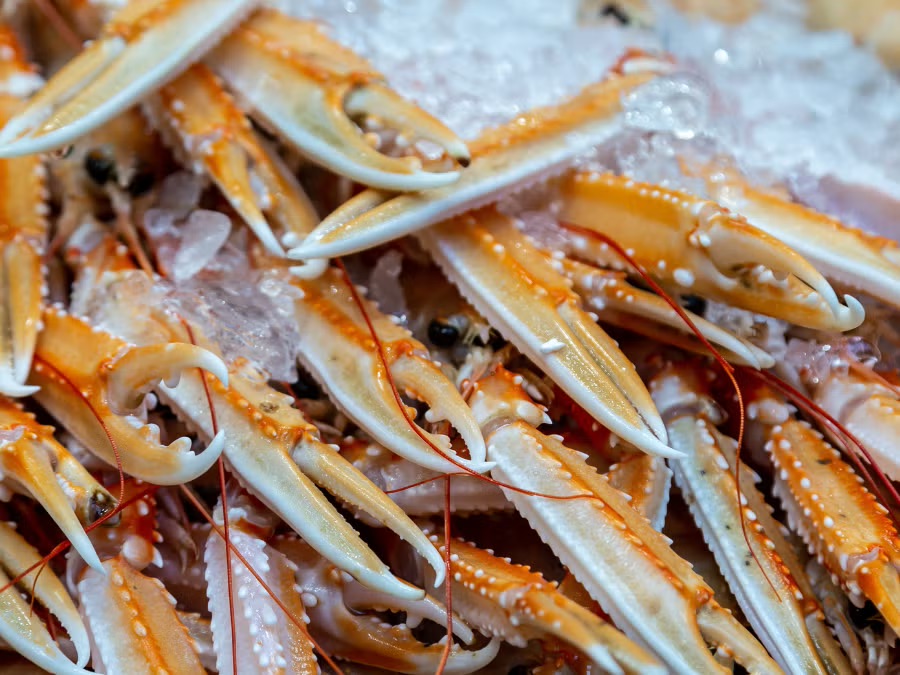
When delving into the world of wildlife photography, one cannot underestimate the impact of capturing close-up details of animals in their natural habitats. These shots provide a deeper insight into the intricate features, textures, and behaviors of these magnificent creatures. Through close-up shots, photographers can emphasize the mesmerizing patterns on a butterfly’s wings, the piercing eyes of a predatory bird, or the delicate patterns on a reptile’s scales.
These intimate details not only showcase the stunning beauty of wildlife but also invite viewers to connect on a more personal level with the subjects of the photographs. By focusing on close-up wildlife details, photographers can evoke a sense of wonder, curiosity, and appreciation for the incredible diversity and intricacies of the natural world.