Wildlife has always been a significant part of our planet’s diverse ecosystem. From majestic elephants to tiny insects, each species plays a crucial role in maintaining the delicate balance of nature. However, with increasing human activities such as deforestation, pollution, and climate change, the well-being of wildlife is constantly at risk.

As a result, the need for specialized professionals in the field of wildlife conservation has become more critical than ever before. Among these professionals, wildlife veterinarians hold a vital role in preserving the health and welfare of various species in their natural habitats. These dedicated individuals not only possess extensive knowledge and skills in animal medicine but also have a deep understanding of the complex dynamics of wildlife populations.
In this article, we will delve into the world of wildlife veterinarian aesthetic and explore the unique challenges and rewards of this profession. From the rigorous training and education required to the daily responsibilities and experiences, we will uncover the true essence of being a wildlife veterinarian and the impact they have on our planet’s wildlife. Join us on this journey to gain a deeper insight into the world of wildlife medicine and its significant contribution to the preservation of our planet’s precious wildlife.
Wildlife Rescue Photography

Wildlife rescue photography captures the incredible moments when dedicated professionals and volunteers come together to save and care for injured or orphaned animals. This specialized genre of photography not only showcases the beauty and diversity of wildlife, but also raises awareness about the important work being done to protect and rehabilitate these creatures. With a professional eye and a deep understanding of animal behavior, wildlife rescue photographers have the unique ability to tell compelling stories through their images.
From capturing heartwarming moments of animal-human interaction to documenting the delicate procedures performed by wildlife veterinarians, these photographers play a crucial role in educating and inspiring others to appreciate and conserve our natural world. By highlighting the tireless efforts of wildlife veterinarians and the unique challenges they face, wildlife rescue photography contributes to the broader conversation about sustainability and our responsibility to protect the planet and its inhabitants.
Animal Rehabilitation Centers
Within the realm of wildlife conservation and veterinary care, Animal Rehabilitation Centers play a vital role in providing specialized care and treatment for injured, orphaned, or endangered animals. These centers serve as safe havens where skilled professionals work tirelessly to rehabilitate and release animals back into their natural habitats. From providing medical treatment and physical therapy to offering proper nutrition and enrichment, Animal Rehabilitation Centers ensure the well-being and successful recovery of countless animal species.
These centers also serve as important educational resources, offering insights into the conservation efforts and the delicate balance between human intervention and the preservation of wildlife populations. By focusing on the unique challenges faced by these centers and the impact they have in safeguarding animal well-being, we can further appreciate the critical work performed by wildlife veterinarians and the essential role of Animal Rehabilitation Centers in maintaining our ecosystems.
Wildlife Treatment Equipment

When it comes to wildlife treatment, having the right equipment is essential for providing optimal care and ensuring the well-being of the animals. Wildlife treatment equipment encompasses a wide range of specialized tools and technologies designed to aid in diagnostics, treatment, and surgical procedures. From portable X-ray machines and ultrasound devices to anesthesia delivery systems and surgical instruments, these equipment enable wildlife veterinarians to perform accurate examinations, administer appropriate medications, and carry out surgical interventions when necessary.
Additionally, specialized enclosures and handling equipment are crucial for safely restraining and transporting animals during treatment. By investing in high-quality wildlife treatment equipment, veterinarians can enhance their capabilities, improve the efficiency of their procedures, and ultimately contribute to the successful recovery and rehabilitation of wildlife populations.
Endangered Species Recovery Programs
Endangered Species Recovery Programs play a crucial role in the conservation and protection of threatened wildlife populations. These programs aim to reverse the decline of endangered species and restore their populations to healthy levels in their natural habitats. Through strategic initiatives such as habitat restoration, captive breeding and reintroduction, and monitoring of population dynamics, these programs strive to address the factors contributing to the decline of endangered species.
Collaborative efforts between wildlife veterinarians, conservation organizations, and government agencies are integral to the success of these programs. By implementing comprehensive plans and employing a multidisciplinary approach, endangered species recovery programs have the potential to make a significant positive impact on the survival and sustainability of our planet’s most vulnerable wildlife.
Minimalist Wildlife Art

Minimalist wildlife art is a unique and captivating form of artistic expression that focuses on simplifying and distilling the essence of wildlife subjects. Through the use of clean lines, minimal color palettes, and a minimalist approach to composition, artists can create powerful and evocative representations of animals in their natural habitats. This form of art not only showcases the beauty and grace of wildlife, but also highlights the importance of conservation and environmental awareness.
By stripping away unnecessary details, minimalist wildlife art allows viewers to appreciate the inherent beauty and majesty of animals, while also reminding us of the need to protect and preserve their habitats for future generations. With its understated elegance and powerful visual impact, minimalist wildlife art has become increasingly popular among art enthusiasts and nature lovers alike.
Conservation Field Gear
Conservation field gear plays a crucial role in the work of wildlife veterinarians and researchers, enabling them to effectively carry out their important tasks in the field. From sturdy binoculars and high-quality camera equipment to reliable GPS devices and durable field bags, the right gear is essential for professionals working in wildlife conservation. These tools not only facilitate accurate data collection and observation of wildlife behavior but also ensure the safety and well-being of both the researchers and the animals they are studying. Whether it’s tracking the movements of endangered species, collecting samples for health assessments, or monitoring habitat conditions, conservation field gear provides the necessary resources for professionals to make informed decisions and contribute to the protection and preservation of our fragile ecosystems.
Wildlife Conservation Posters
Wildlife Conservation Posters serve as powerful tools to raise awareness and educate the public about the importance of preserving and protecting our natural environment. These visually captivating posters feature stunning images of wildlife, often accompanied by informative and thought-provoking messages. They aim to inspire individuals to take action and promote sustainable practices that contribute to the conservation of endangered species and their habitats.
Whether displayed in schools, community centers, or public spaces, these posters serve as constant reminders of the urgent need to protect our biodiversity and make a positive impact on the planet. By effectively conveying the message of wildlife conservation, these posters encourage individuals to become advocates for change and play an active role in preserving the wonders of the natural world.
Vintage Veterinary Infographics

Vintage veterinary infographics offer a unique and visually appealing way to explore the rich history of veterinary medicine. These infographics, often showcasing intricate illustrations and detailed information, provide insights into the practices, techniques, and advancements in the field of veterinary care from decades past. They serve as valuable educational resources for veterinarians, students, and enthusiasts, allowing them to gain a deeper understanding of the evolution of veterinary medicine and the challenges faced by practitioners in different eras.
Additionally, vintage veterinary infographics can be a source of inspiration for contemporary veterinary professionals, offering a glimpse into the past while highlighting the progress and innovations that have shaped the field today. From anatomical charts to pharmaceutical guides, these infographics offer a fascinating glimpse into the art and science of veterinary care throughout history.
See Related: Nature’s Canvas: 15 Stunning Wildlife Backgrounds for Your Devices
National Geographic Wildlife Photography

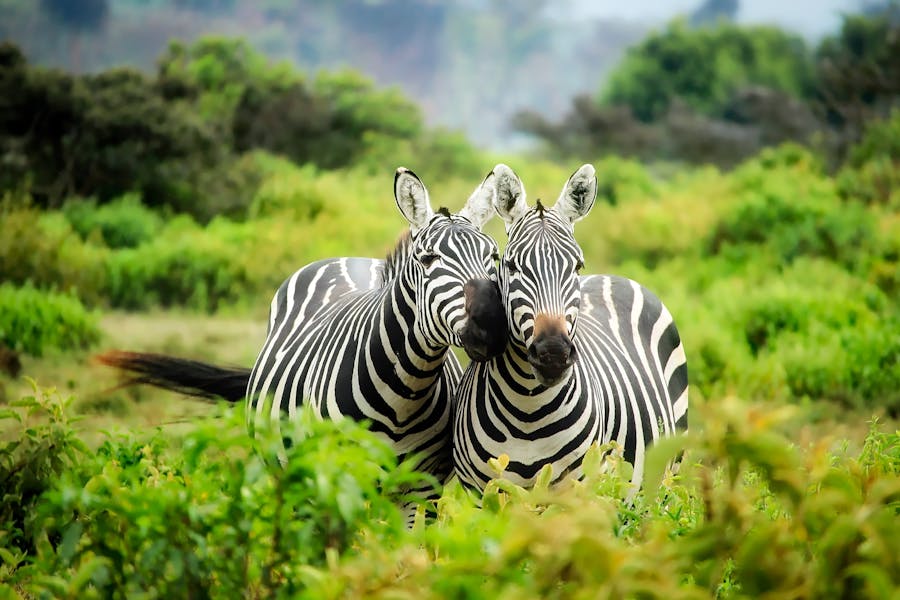
National Geographic Wildlife Photography has long been recognized as a pinnacle of excellence in capturing the beauty and diversity of the natural world. Renowned for their stunning visuals and compelling storytelling, National Geographic photographers have the unique ability to transport viewers to far-flung corners of the globe, capturing intimate and awe-inspiring moments in the lives of wild animals. These photographs not only showcase the incredible biodiversity of our planet but also shed light on the importance of conservation and environmental stewardship.
With their technical skill, patience, and deep respect for wildlife, National Geographic photographers have the power to evoke emotions, inspire curiosity, and ignite a profound appreciation for the wonders of the animal kingdom. Their work stands as a testament to the power of photography to educate, raise awareness, and ultimately foster a deep connection between humans and the natural world.
Field Surgery Kits and Equipment
When it comes to providing medical care to wildlife in remote or challenging environments, field surgery kits and equipment play a critical role in ensuring successful interventions. These specialized kits are designed to meet the unique needs of wildlife veterinarians who often find themselves working in unpredictable conditions. Equipped with an array of surgical instruments, sterile supplies, and emergency medications, these kits enable veterinarians to perform surgeries on-site, addressing injuries or health issues that may arise in the field.
From minor procedures such as wound suturing to more complex surgeries, these kits provide the necessary tools to deliver prompt and effective medical care, promoting the well-being and conservation of wildlife populations. Additionally, portable diagnostic equipment, such as portable ultrasound machines and digital X-ray systems, aid in the accurate diagnosis and assessment of injuries or ailments, further enhancing the veterinarian’s ability to provide comprehensive care. Overall, field surgery kits and equipment are indispensable resources for wildlife veterinarians, enabling them to perform vital surgical interventions and contribute to the overall health and conservation of wildlife species.