The Adorable Appeal of Teacup Pigs: Everything You Need to Know

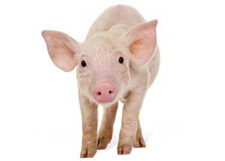
Have you ever thought about expanding your family with a new, unique pet? Teacup Pigs, petite in size, might just be the answer to your quest! Weighing only 30 to 40 pounds when fully grown, they’re about the size of a terrier. And yes, as babies, they can indeed live up to their name and fit comfortably in a teacup.
Teacup Pigs: Perfect Indoor Companions

Unlike farm pigs and their pot-bellied cousins, Teacup Pigs don’t fancy rolling around in mud. Instead, these adorable creatures thrive in a clean, indoor environment. Trainable and intelligent, they can even respond to house training or litter training, much like a cat.
Want them to perform tricks? No problem! These smart pets can learn commands for rolling over or sitting with ease.
Exercise & Engagement: The Key to a Healthy Piglet

Teacup Pigs, albeit their lounging tendencies, need an active lifestyle to maintain a healthy weight. It’s crucial to engage them with toys and games right from their piglet stage. You can even leash train these piglets for those all-important regular walks.
The key is to keep them motivated and moving:
- Get them into a routine. This helps them stay active and control their weight.
- Have a designated, quiet sleep area, complete with comfy blankets and toys.
Maintaining a Balanced Relationship with Your Teacup Pigs

Teacup pigs can display a dominant attitude if given the chance. So, it’s vital to set strict boundaries, just as you would for a puppy. Firmness and discipline are crucial, but remember – kindness and love can work wonders too.
Navigating Adolescence with Teacup Pigs

When Teacup Pigs hit adolescence, you might see a slight change in behavior. If you’ve opted to keep your pig as a household pet, spaying or neutering is recommended to control such changes. Apart from reducing aggressive and unruly patterns, it can prevent any lifetime habits from developing during this period.
See Related: The Ultimate Guide to What Pigs Eat: Everything You Need to Know
The Dining Habits of Teacup Pigs: A Cautionary Tale

Teacup Pigs’ love for food, if left unchecked, can lead to excessive weight gain. So, watch out for those feeding habits:
- Fresh vegetables should be a regular part of their diet.
- Fruit can be given but sugar intake has to be monitored.
- Treats like popcorn, cereal, and crackers can be given, provided they’re not high in sugar or unhealthy fat.
In case of noticeable weight gain, it’s wise to dial back on the feed quantity and step up on their exercise routine.
Prepping for Your First Teacup Pig

Before you bring a Teacup Pig into your family, make sure you have a veterinary professional in your vicinity who has experience with these unique animals. Being prepared is the first step to being a responsible pet parent.
Related Resources:
Key 2026 Takeaways
## The Adorable Appeal of Teacup Pigs: Everything You Need to Know > **Expert answer (2026):** “Teacup pig” is a marketing term—not a recognized breed or guaranteed adult size. Many pigs sold this way eventually weigh **80–200 pounds** and may live **15–18 years** with proper care. Before adopting, confirm local livestock regulations, locate an experienced mini-pig veterinarian, and plan for a large, intelligent, social animal—not a permanently tiny pet. ([SpectrumCare](https://spectrumcare.pet/farm-animals/pig/breeds/teacup-pig); [Find an Exotic Vet](https://findanexoticvet.com/blog/mini-pig-veterinary-care-guide-2026); [The Vet Desk](https://thevetdesk.com/pet-health-wellness/general/mini-pig-lifespan-how-long-do-they-live/)) ### Key takeaways – **“Teacup” isn’t a true breed:** Adult size depends on genetics, diet, and health—not the seller’s label. – **Expect substantial growth:** A healthy miniature pig can become comparable in size to a large dog—or larger. – **They’re smart and social:** Pigs need daily enrichment, training, companionship, and secure indoor/outdoor space. – **Diet requires discipline:** Controlled portions and appropriate pig feed help prevent obesity and related joint and health problems; avoid intentional underfeeding. – **Veterinary care matters:** Find a pig-experienced veterinarian before adoption. Routine care may include vaccinations, hoof trimming, parasite control, and spay/neuter services. – **They are a long-term commitment:** Plan for roughly **15–18 years** of care, housing, food, and medical expenses. – **Check the law first:** In many areas, mini pigs are classified as livestock, and zoning or veterinary-access rules may apply. – **Choose welfare over tiny size:** Avoid sellers who promise an unnaturally small adult pig or recommend underfeeding to maintain that size.