

Description

The Tibetan wolf, scientifically known as Canis lupus chanco, is a remarkable and enigmatic species of wolf that inhabits the high-altitude regions of the Tibetan Plateau and surrounding areas. This elusive canid is of great interest to researchers due to its debated taxonomy and unique genetic markers, which set it apart from other wolf species.
Appearance
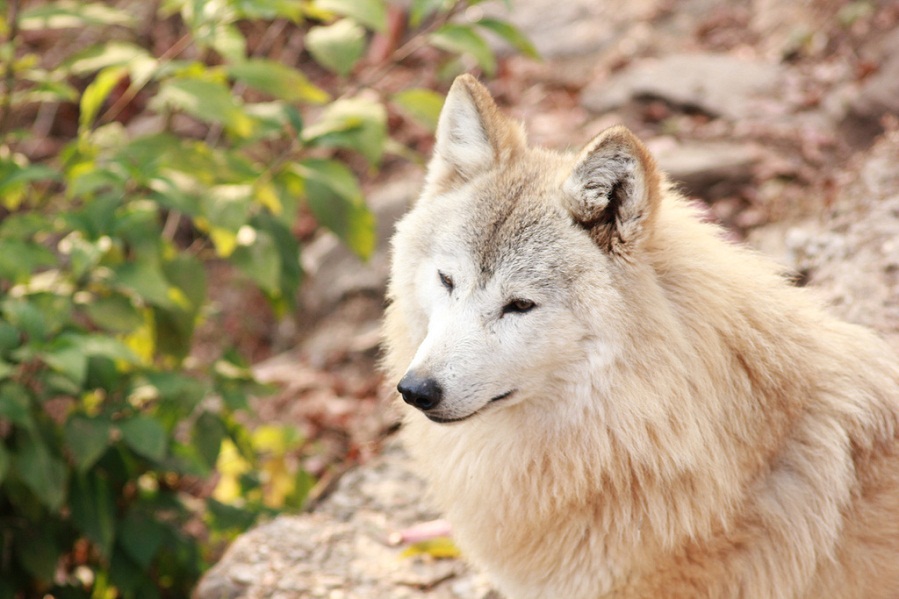
The Tibetan wolf is distinguished by its physical characteristics, including a long, sharp face, elevated brows, broad head, large pointed ears, and thick fur. These features contribute to its adaptation to the harsh, cold environments of its habitat. The Himalayan wolf’s appearance sets it apart from other wolf species and reflects its specialization for survival in high-altitude regions.
Distribution
The Tibetan wolf primarily inhabits the remote and rugged landscapes of the Tibetan Plateau, as well as regions in India, Nepal, and possibly other neighboring countries. Its distribution is closely tied to the unique ecosystems of these high-altitude areas, and its population density may exhibit notable patterns in response to environmental factors and human activities.
Habitat Preferences

The Tibetan wolf thrives in alpine and subalpine ecosystems, where it navigates challenging terrain and extreme weather conditions. Its ability to survive and thrive in these harsh environments is a testament to its remarkable adaptations. The species’ habitat preferences are crucial for its survival and well-being, as these ecosystems provide essential resources and refuge for the Tibetan wolf.
As an expert in animal conservation and wildlife research, I hope this comprehensive profile provides valuable insights into the unique characteristics, distribution, and habitat preferences of the Tibetan wolf. This species continues to captivate the scientific community and conservationists, highlighting the importance of protecting and understanding the diverse wildlife that inhabits our planet.
Facts About Tibetan wolf
- The Tibetan wolf (Canis lupus chanco) is a subspecies of the gray wolf.
- It is found in the Tibetan Plateau and surrounding regions in Asia.
- Tibetan wolves are known for their adaptability to high altitudes and harsh climates.
- They primarily feed on small to medium-sized mammals such as Himalayan blue sheep and marmots.
- The Tibetan wolf is considered a culturally significant animal in Tibetan mythology and folklore.
- This subspecies exhibits unique genetic markers, distinguishing it from other wolf populations.
- Tibetan wolves are skilled and resourceful hunters, known for their cooperation in pack hunting.
- The conservation status of the Tibetan wolf is currently classified as “Least Concern” by the IUCN.
- They play a crucial role in maintaining the ecological balance of their native habitats.
- The Tibetan wolf has been the subject of scientific research to better understand its behavior, ecology, and genetic diversity.


