
Description
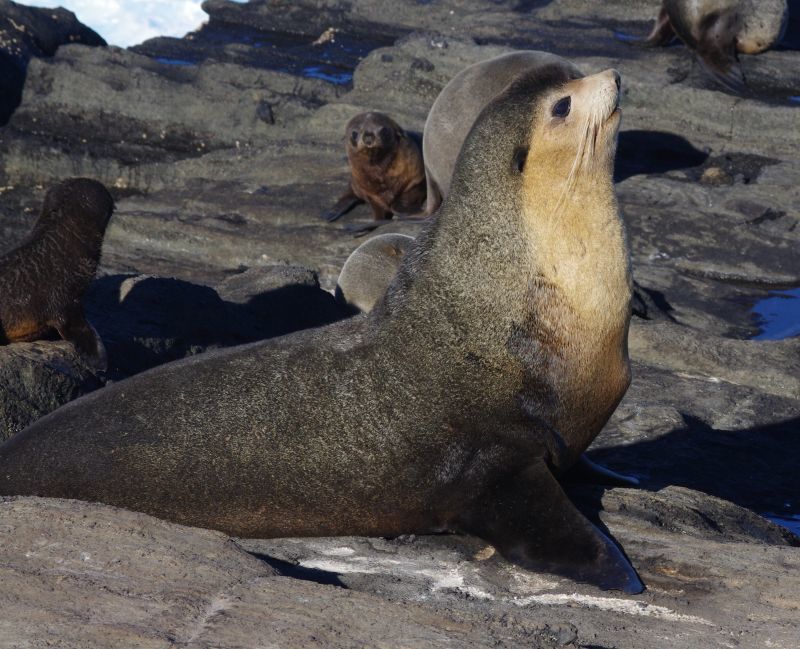
The Subantarctic fur seal, scientifically known as Arctocephalus tropicalis, is a charismatic and highly adapted marine mammal belonging to the family Otariidae. These seals exhibit a robust build with a streamlined body, enabling them to navigate through the ocean with agility and grace. They are characterized by a thick layer of insulating fur, which is essential for thermoregulation and buoyancy in their aquatic environment. Their captivating nature and distinct behaviors make them a subject of fascination and admiration among wildlife enthusiasts and researchers alike.
Appearance
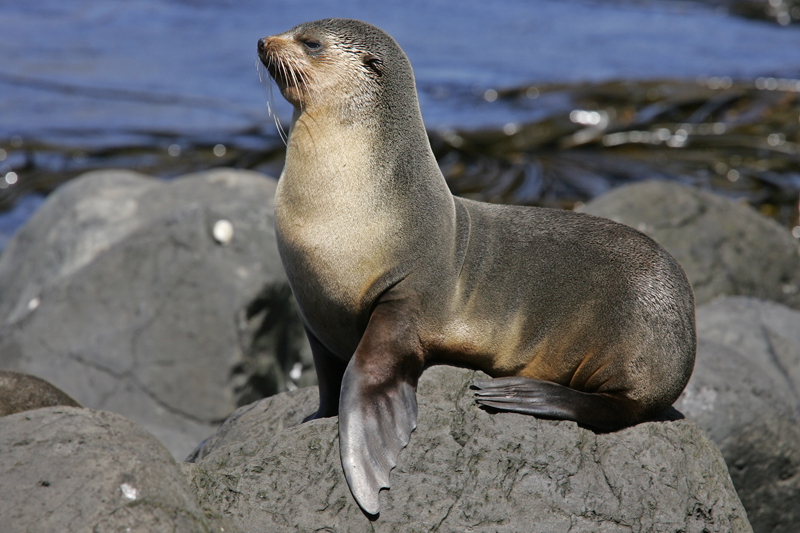
The Subantarctic fur seal boasts a distinctive appearance, featuring a sleek, dark brown to grayish-black fur coat, with males typically being larger than females. Adult males, known as bulls, can weigh up to 200 kilograms and display a thick neck and shoulders, giving them a robust and imposing presence. In contrast, adult females, or cows, are smaller in size, weighing around 40-50 kilograms. Both sexes possess large, soulful eyes and a prominent, pointed snout, adding to their endearing and captivating visage.
Distribution
The Subantarctic fur seal is primarily found in the southern regions of the Indian, Pacific, and Atlantic Oceans. They inhabit a range of remote and isolated islands, including but not limited to the subantarctic islands, where they form breeding colonies. Notable locations where these seals can be found include islands in the South Atlantic and Indian Oceans, contributing to the rich biodiversity of these regions. The population density of Subantarctic fur seals varies across their range, with breeding colonies serving as crucial hubs for their reproductive and social activities.
Habitat Preferences
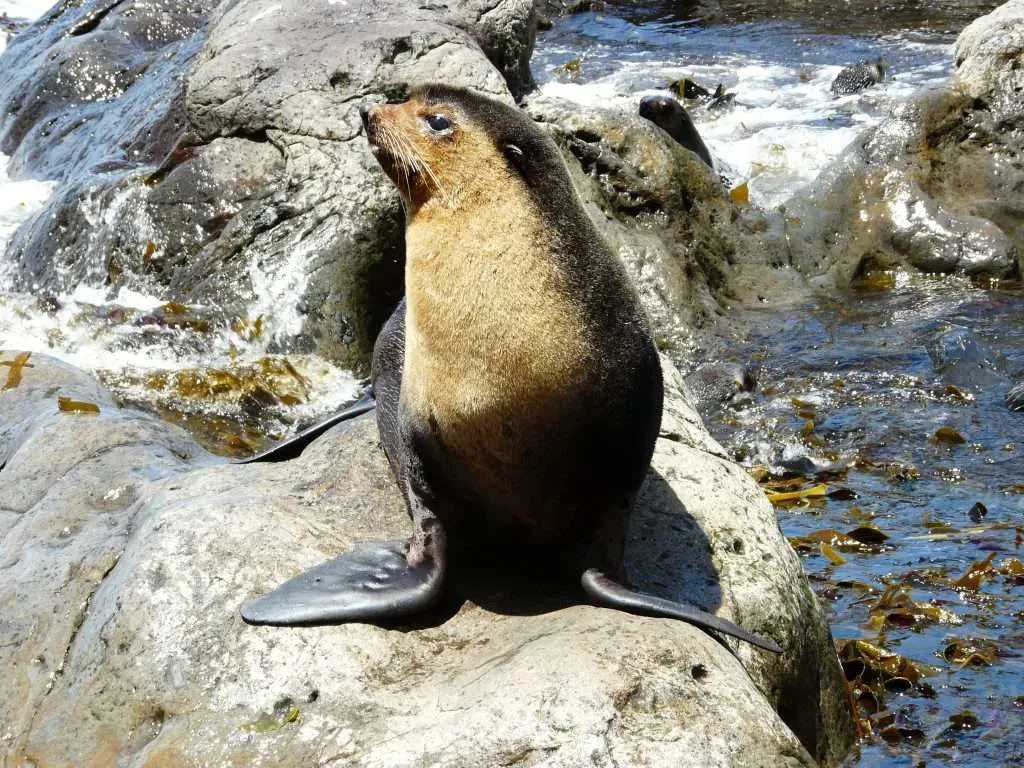
Subantarctic fur seals are well-adapted to thriving in diverse marine ecosystems, including coastal areas, rocky shorelines, and remote islands. They rely on these habitats for breeding, molting, and foraging, with a preference for temperate and subantarctic waters. The availability of suitable haul-out sites and access to abundant food sources, such as fish, squid, and krill, are vital for their survival and well-being. These seals also demonstrate a remarkable ability to navigate through challenging oceanic environments, showcasing their resilience and adaptability as marine predators.
Overall, the Subantarctic fur seal, with its captivating appearance and unique ecological role, stands as a testament to the rich biodiversity and natural wonders of the Southern Hemisphere’s marine ecosystems.
Facts About Subantarctic Fur Seal
- Subantarctic fur seals are polygynous, with a harem mating system where males defend territories containing 6 to 20 females (source: Animal Diversity Web).
- Adult male subantarctic fur seals are three times heavier and 1.2–1.3 times longer than females, exhibiting sexual dimorphism (source: OBIS-SEAMAP).
- The species is widely distributed throughout the entire southern hemisphere and breeds on seven island groups in the Southern Ocean (source: SANBI).
- Subantarctic fur seals have a “face mask,” with a dark brown body and cream-colored fur around their faces and necks (source: Ocean Connections).
- The majority of pup production for subantarctic fur seals takes place at Gough Island in the Southern Ocean (source: ScienceDirect).
- Subantarctic fur seals have begun colonizing new locations, and growth rates have been estimated at 13-15% (source: MarineBio).
- The species was first described by Gray in 1872 and is found in the southern parts of the Indian, Pacific, and Atlantic Oceans (source: iNaturalist).
- Subantarctic fur seal pups are born with a black coat, which they molt at around 3-4 months of age (source: Wikipedia).
- The species is known for its agility in the water, with the ability to dive to depths of up to 200 meters (source: Animal Diversity Web).
- Subantarctic fur seals have a varied diet, including fish, squid, and krill, and are known to travel long distances in search of food (source: Wikipedia).


