
Description
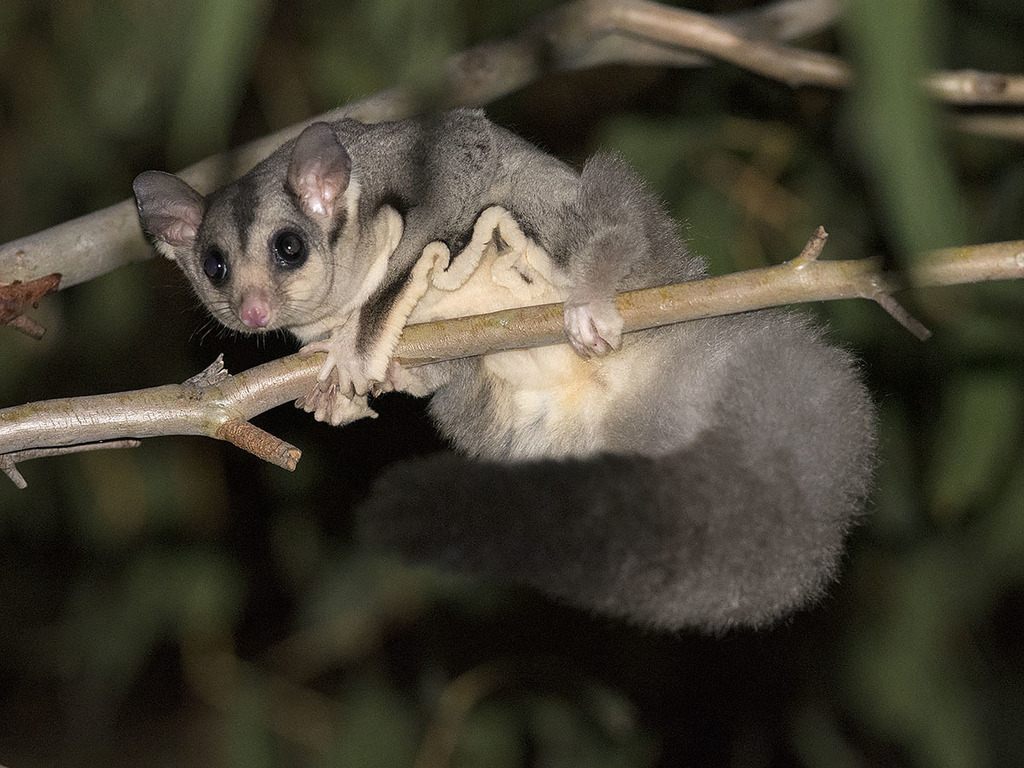
The squirrel glider, scientifically known as Petaurus norfolcensis, is a fascinating nocturnal gliding possum belonging to the genus Petaurus. This unique mammal is renowned for its remarkable ability to glide through the air using its wrist-wing membranes, making it a captivating subject of study for wildlife enthusiasts and conservation scientists alike.
Appearance

The squirrel glider is distinguished by its fluffy, grey fur, large eyes, and a distinctive membrane that extends from its wrists to its ankles, enabling it to glide skillfully through the forest canopy. This species can be differentiated from similar gliding possums by its specific coloration and size, making it a remarkable and recognizable member of its genus.
Distribution
The squirrel glider is primarily found in the eastern regions of Australia, including the states of Queensland, New South Wales, and Victoria. Its distribution may also extend to parts of South Australia. Notably, the population density of the squirrel glider may exhibit variations within its range, with certain areas supporting more substantial populations due to favorable habitat conditions.
Habitat Preferences

These remarkable creatures thrive in a variety of forested habitats, including open woodlands, eucalypt forests, and riparian zones. The squirrel glider relies on the presence of mature trees with suitable hollows for nesting and shelter, as well as an abundance of nectar-rich blossoms and insects for sustenance. The interconnectedness of these ecosystems is vital for the survival and well-being of the squirrel glider, making conservation efforts focused on preserving its habitat crucial for the species’ continued existence.
As a renowned expert in animal conservation and wildlife education, I hope this comprehensive species profile provides valuable insights into the unique characteristics and habitat requirements of the squirrel glider, fostering a deeper appreciation for the importance of preserving its natural environment.
Facts About Squirrel Glider
- The squirrel glider (Petaurus norfolcensis) is an omnivorous species, with a diet that includes insects, acacia gum, and sap (source: Animal Diversity Web).
- Squirrel gliders can use between 1 to 9 different dens (nest sites) within their home range (source: Wildlife Preservation Society of Queensland).
- They are nocturnal gliding possums and are one of the wrist-winged gliders of the genus Petaurus (source: Wikipedia).
- Squirrel Gliders can glide for up to 50 meters between trees and steer by moving their tail or legs (source: Museums Victoria Collections).
- Natural predators of the squirrel glider include goannas, quolls, and pythons (source: Wildlife Preservation Society of Queensland).
- The population size of squirrel gliders is currently unknown, and they have a life span of 3-6 years (source: Animalia.bio).
- Squirrel gliders are considerably larger than the more common Sugar Glider, Petaurus breviceps (source: SWIFFT).
- Their calls sound similar to honking (source: Museums Victoria Collections).
- Squirrel gliders are arboreal, nocturnal, gliding possums occurring in northern and central Victoria, Australia (source: Department of Environment, Land, Water and Planning, Victoria).
- They weigh between 190-300 grams and have a length of 18-23 cm (source: Animalia.bio).


