

Description

The South American cougar, scientifically known as Puma concolor concolor, is a subspecies of the cougar, also commonly referred to as puma or mountain lion. This large felid holds significant cultural and ecological importance throughout South America. Renowned for its solitary nature and elusive behavior, the South American cougar is a symbol of strength and stealth in indigenous folklore and a keystone species in the region’s ecosystems.
Appearance
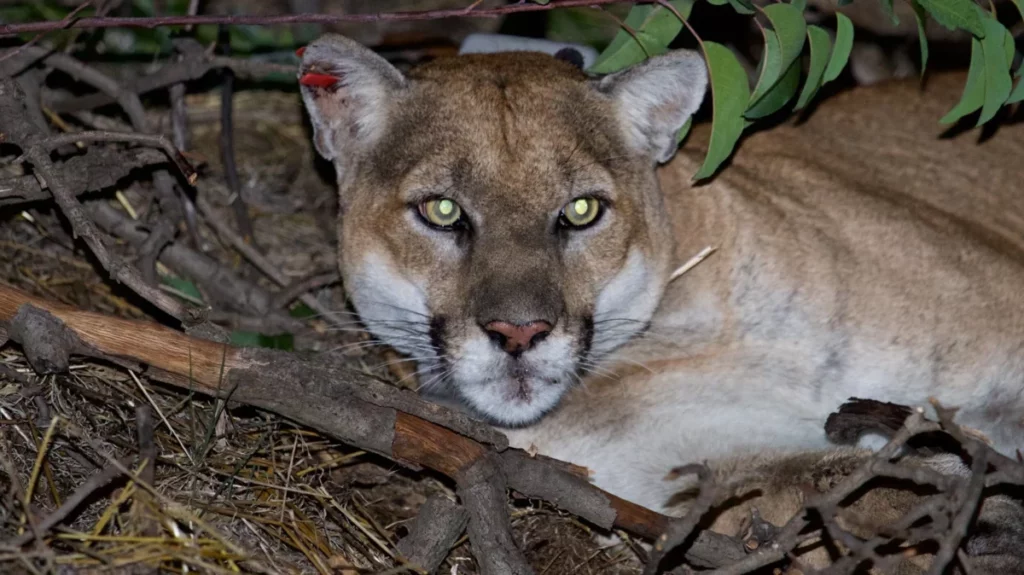
The South American cougar exhibits a sleek and muscular build, with a tawny to reddish-brown coat, often with lighter underparts and a distinctive black-tipped tail. Its powerful limbs and keen eyesight make it a formidable predator in its natural habitat. Compared to its North American counterparts, the South American cougar tends to have a darker coat, reflecting its adaptation to the diverse landscapes of the Andes and surrounding regions.
Distribution
This subspecies is primarily found in the Andean and Amazonian regions of South America, including countries such as Colombia, Venezuela, Ecuador, Peru, Bolivia, and Argentina. The South American cougar’s distribution encompasses a wide range of elevations, from lowland tropical forests to high-altitude mountainous terrain. Its population density varies across its range, influenced by factors such as prey availability and habitat suitability.
Habitat Preferences

The South American cougar is highly adaptable and can thrive in a variety of habitats, including dense forests, rugged mountainous terrain, and lowland tropical ecosystems. It seeks out areas with ample cover for stalking and ambushing prey, as well as access to water sources. The diverse ecosystems of the Andes and the Amazon provide the South American cougar with the necessary resources for its survival, encompassing a range of prey species and sheltered environments.
This profile provides a comprehensive overview of the South American Cougar, highlighting its unique characteristics, distribution, and habitat preferences. As a symbol of cultural significance and ecological importance, the conservation of this iconic species is crucial for maintaining the biodiversity of South American ecosystems.
Facts About South American Cougar
- The South American cougar (Puma concolor concolor) is a subspecies of the cougar that occurs in northern and western South America.
- It is also known as the Andean mountain lion or puma.
- The general coloration of the South American cougar ranges from yellowish brown to grayish brown on the upper parts and a paler, almost buffy, color on the belly.
- South American cougars are solitary and territorial animals, with males having ranges that can cover up to 200 square miles.
- They are powerful hunters, preying on a variety of animals including deer, capybaras, and smaller mammals.
- South American cougars are excellent climbers and swimmers, allowing them to access a wide range of habitats.
- The South American cougar is listed as a species of “Least Concern” on the IUCN Red List, indicating that it is not currently at risk of extinction.
- Female South American cougars give birth to litters of one to four cubs, which they raise alone.
- These cougars have a wide distribution, being found in a variety of habitats including forests, grasslands, and mountainous regions.
- They play a significant role in the ecosystems they inhabit, helping to regulate prey populations and maintain biodiversity.


