

Description

Sherman’s fox squirrel (Sciurus niger shermani) is a distinctive subspecies of the fox squirrel, characterized by its striking appearance and unique habitat preferences. This tree-dwelling mammal is known for its robust build, bushy tail, and keen, expressive eyes. With its captivating presence and remarkable adaptability, Sherman’s fox squirrel stands as a testament to the rich biodiversity of the southeastern United States.
Appearance
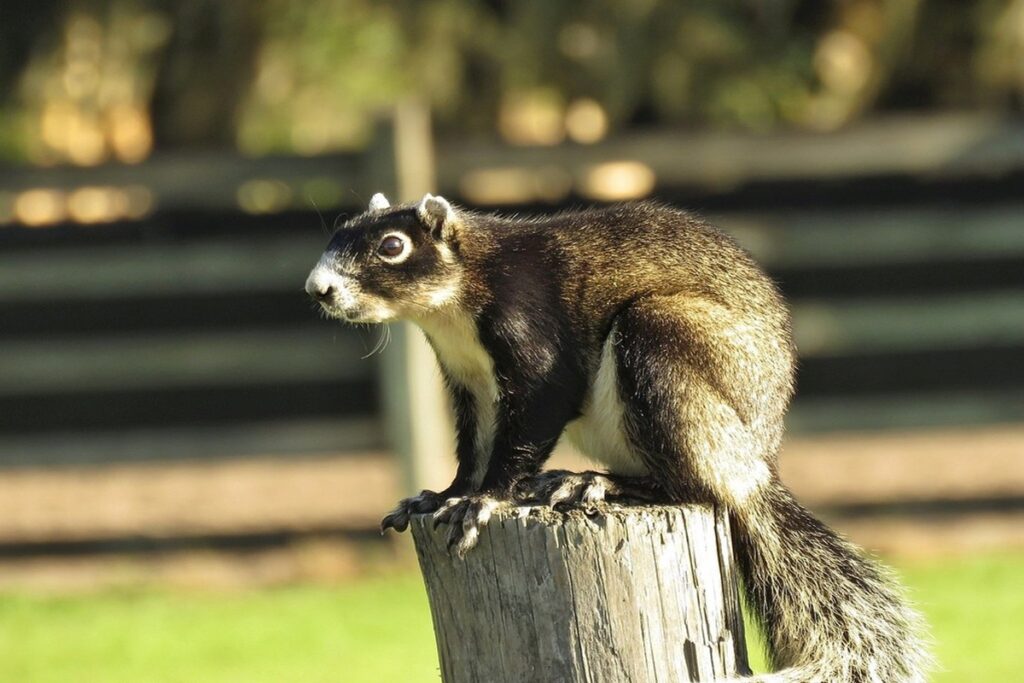
The Sherman’s fox squirrel boasts a rich, lustrous coat that varies in color from a vibrant rusty red to a deep mahogany, often accented by patches of creamy white or gray. Its large size distinguishes it from other squirrel species, with adults typically measuring between 19 to 28 inches in length, including their impressively bushy tails. This subspecies’ striking appearance sets it apart as a charismatic symbol of the diverse wildlife found in the longleaf pine and wiregrass ecosystems of Florida and Georgia.
Distribution
Sherman’s fox squirrel is primarily found in the southeastern US states of Florida and Georgia, where it thrives in fire-prone areas characterized by longleaf pine and wiregrass, particularly around sandhills. The subspecies’ distribution reflects its close association with specific ecological conditions, making it a vital indicator of the health and diversity of these unique habitats. While its range is limited to these specific regions, Sherman’s fox squirrel plays a crucial role in the intricate tapestry of biodiversity within its localized habitat.
Habitat Preferences

Sherman’s fox squirrel is intricately linked to fire-maintained longleaf pine, oak, sandhill, and flatwoods habitats, where it finds ample resources and shelter. These ecosystems provide the subspecies with the ideal conditions for foraging, nesting, and raising its young. The presence of longleaf pine and wiregrass not only sustains the population of Sherman’s fox squirrel but also supports a myriad of other flora and fauna, underscoring the significance of this species in maintaining the delicate balance of its native environment.
In conclusion, Sherman’s fox squirrel, with its captivating appearance and specialized habitat requirements, serves as a compelling representative of the unique ecosystems found in the southeastern United States. By understanding and conserving this remarkable subspecies, we can contribute to the preservation of its intricate habitat and the broader conservation efforts aimed at safeguarding the natural heritage of the region.
Facts About Sherman’s fox squirrel
- Sherman’s fox squirrel (Sciurus niger shermani) is a subspecies of the fox squirrel found in the US states of Florida and Georgia.
- They inhabit fire-prone areas and are diurnal, meaning they are active during the day.
- The eastern fox squirrels, to which Sherman’s fox squirrel belongs, are very large, weighing between 2.4 to 3.2 pounds (900-1200 g).
- They can have gray, agouti, or black fur, often with black markings on the head and white nose and ears.
- The average home range size for Sherman’s fox squirrel is approximately 0.027-0.054 hectares in certain areas.
- Sherman’s fox squirrels are very scarce in some southeastern parts of the US.
- This species is known to be found in fire-prone areas.
- The conservation status and specific population statistics of Sherman’s fox squirrel may vary by location and habitat.
- They are known for their impressive tree-climbing abilities and are primarily arboreal.
- Sherman’s fox squirrel plays a role in seed dispersal and forest regeneration due to their foraging habits.


