
Description

The Pampas fox, scientifically known as Lycalopex gymnocercus, is a medium-sized canid species belonging to the South American fox genus Lycalopex. Also referred to as the grey pampean fox, Pampas zorro, Azara’s fox, or Azara’s zorro, this fascinating mammal is known for its distinctive appearance and solitary nature.
Appearance
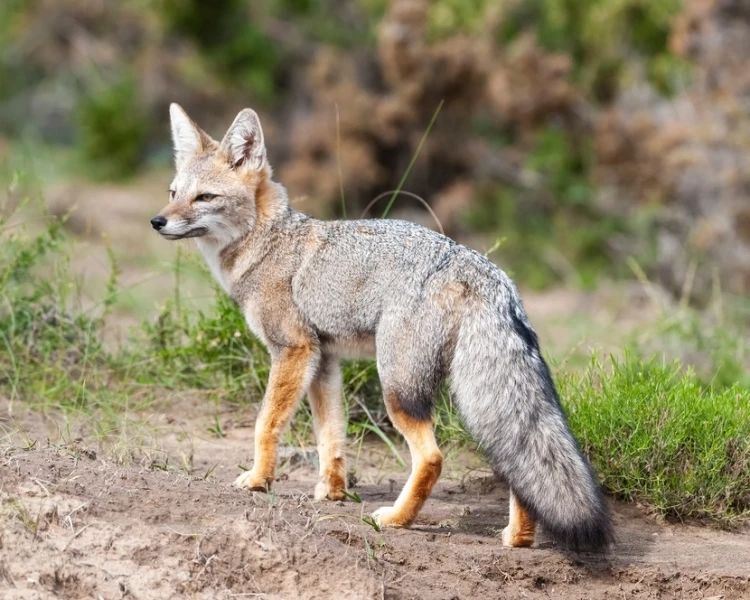
The Pampas fox is characterized by its sleek, greyish-brown fur, with a notable white-tipped tail that sets it apart from similar species. This fox species typically exhibits a slender build, with a pointed muzzle and large, expressive ears. Its unique physical attributes make it easily distinguishable from other fox species inhabiting the same regions.
Distribution
The Pampas fox is primarily found in the open pampas (low grasslands) habitats of northern and central Argentina, Uruguay, eastern Bolivia, Paraguay, and southern Brazil. This species has also been documented in montane or chaco forest, dry scrubland, and wetland areas. While the Pampas fox once faced challenges due to hunting and human persecution, conservation efforts have contributed to its sustained presence in these regions.
Habitat Preferences

This species thrives in open habitats, particularly in the Southern Cone Pampas grasslands, as well as in tall grass plains and sub-humid to dry ecosystems. The Pampas fox has displayed adaptability to environments modified by extensive ranching and agriculture activities, showcasing its resilience in the face of human impact. These habitats provide the necessary resources for the Pampas fox to sustain its well-being and survival.
By encapsulating the unique characteristics, appearance, distribution, and habitat preferences of the Pampas fox, this comprehensive profile aims to contribute to the understanding and conservation of this remarkable species.
This information is based on scientific research and data from reputable sources, including Animalia.bio and Canid Specialist Group.
Facts About Pampas Fox
- The Pampas fox, also known as Lycalopex gymnocercus, is found in Paraguay, Uruguay, southern Brazil, eastern Bolivia, and north of Rio Negro in Argentina (source: Animal Diversity Web).
- This fox species is a medium-sized canid, with males typically larger than females (source: Oxford Academic).
- The Pampas fox is a cunning creature that roams the vast grasslands of South America, with a thick, shaggy coat and a distinctive white-tipped tail (source: BioDB).
- It inhabits grasslands, open woodlands, and areas highly modified by extensive ranching and agricultural activities (source: ScienceDirect).
- The lifespan of the Pampas fox in the wild is not precisely documented, but it is estimated to be around 6-9 years (source: Animalia.bio).
- The trade in Pampas fox is banned, and no statistical information on the population is available (source: Canid Specialist Group).
- The Pampas fox is a listed species of Least Concern by the IUCN Red List (source: Field Report).
- This fox species is also known as the grey pampean fox, aguará chaí, or Azara’s fox (source: iNaturalist).
- Pampas foxes are primarily solitary animals, but they may form small family groups during the breeding season (source: Animal Diversity Web).
- Their diet consists of small mammals, birds, insects, fruits, and seeds, making them opportunistic feeders (source: Animalia.bio).


