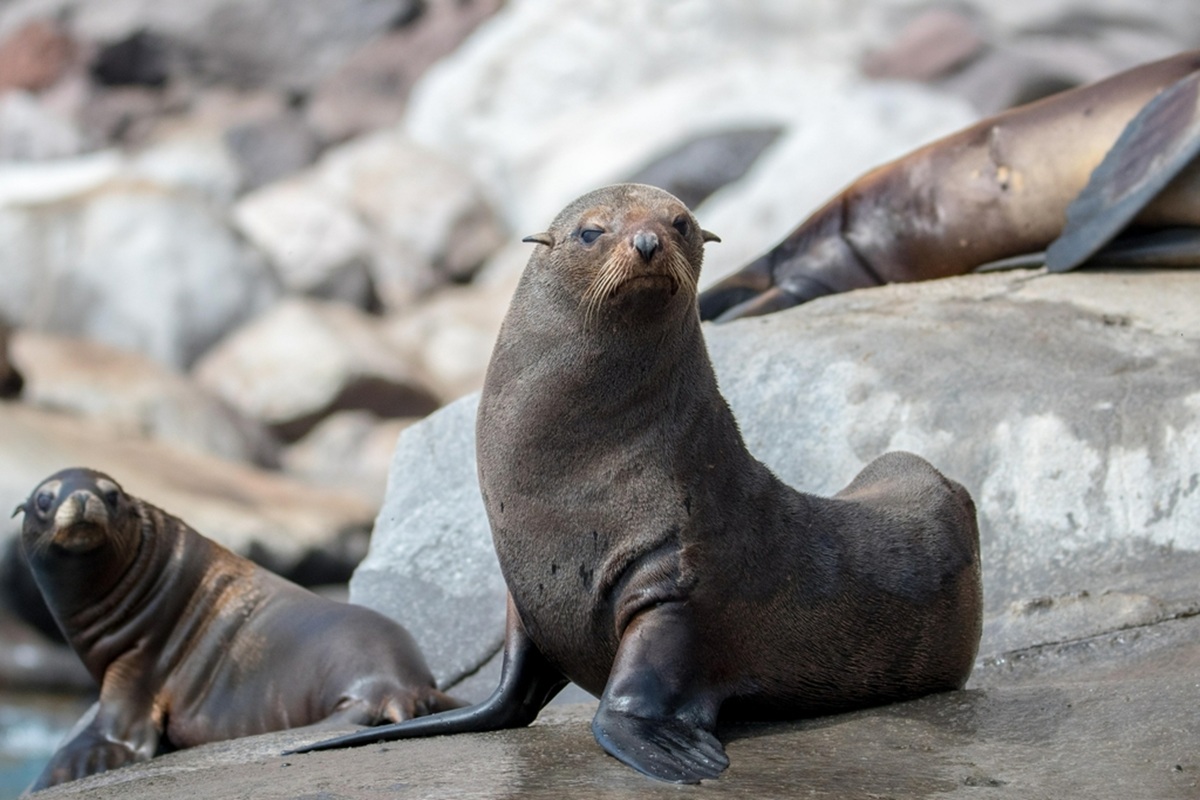
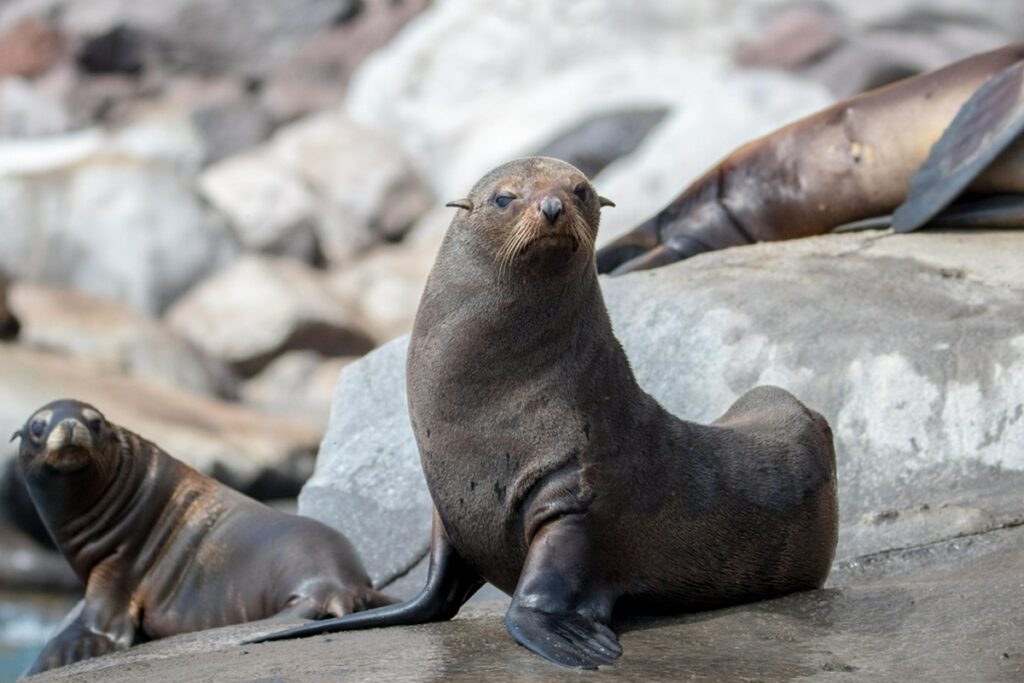
Guadalupe Fur Seal

IUCN Red List Conservation Status


Least Concern

LC
NT
VU
EN
CR
EW
EX

Official assessment evaluated in accordance with the IUCN Red List of Threatened Species criteria: Least Concern.


Species Quick Facts

Scientific Name
Arctocephalus townsendi

Average Lifespan
15-20 years in wild, up to 25 years in captivity

Average Weight
150-250 kg (330-550 lbs) – Males: 200 kg, Females: 50 kg

Average Length
150-200 cm (59-79 inches) – head-body length excluding tail

Overview & Identification

The Guadalupe fur seal (Arctocephalus townsendi) belongs to the family Otariidae, the eared seals, and is one of the smaller furโ€‘seal species. Historically abundant along the Pacific coast of North America, it was driven to near extinction by 19thโ€‘century pelagic sealing, leaving only a remnant population on Mexicoโ€™s remote Guadalupe Island. Today the species breeds on Guadalupe, the Revillagigedo Archipelago, and a few smaller islets, with occasional haulโ€‘outs on the California mainland. Adults favor steep, rocky cliffs and seaโ€‘caves where they can avoid predators and human disturbance. Their dense, waterโ€‘repellent underfur and thick guard hairs provide insulation in the cool California Current, while the pronounced sexual dimorphismโ€”males up to 250โ€ฏkg and twice the length of femalesโ€”reflects a polygynous mating system. After a dramatic recovery, the IUCN now classifies the species as Least Concern, but its limited breeding range makes it vulnerable to localized threats. Conservation measures, including protected marine areas and strict fisheries regulations around Guadalupe Island, have been pivotal in restoring numbers to an estimated 30,000 individuals.

Behavior & Social Structure

Guadalupe fur seals are highly social during the breeding season, forming large colonies that can number several thousand individuals. Males establish harems and defend territories on the breeding rocks using vocal barks, growls, and visual displays such as dorsalโ€‘fin slaps. Outside the breeding period, seals are more dispersed, often forming smaller foraging groups or solitary individuals that travel up to 200โ€ฏkm offshore. They are primarily diurnal, hauling out at night to rest and thermoregulate, and are adept swimmers, capable of diving to 200โ€ฏm and remaining submerged for up to 15โ€ฏminutes. Communication relies on a repertoire of soundsโ€”short barks for alarm, longer moans for motherโ€‘pup recognition, and lowโ€‘frequency grunts during male contestsโ€”allowing individuals to maintain social bonds across the noisy colony environment.

Diet & Hunting Patterns

Guadalupe fur seals are opportunistic carnivores that forage primarily on pelagic fish such as sardines (Sardinops sagax), anchovies (Engraulis mordax), and mackerel, supplemented by cephalopods like the jumbo squid (Dosidicus gigas) and occasional crustaceans. Foraging trips can extend 100โ€“200โ€ฏkm from the breeding islands, with dives reaching depths of 150โ€“200โ€ฏm. They employ a combination of surface cruising and deep, rapid descents to capture schooling fish, often coordinating with other seals to herd prey. Daily food intake can exceed 10โ€ฏ% of body mass, especially for lactating females, which may consume up to 30โ€ฏkg of fish per day to meet the energetic demands of milk production. Seasonal shifts in oceanographic conditions, such as Elโ€ฏNiรฑo events, can alter prey availability and force seals to adjust foraging ranges.

Reproduction & Life Cycle

Females reach sexual maturity at 3โ€“4โ€ฏyears, while males typically mature at 4โ€“5โ€ฏyears and must compete for access to harems. The breeding season spans June to August, with females arriving on the islands about two weeks before parturition. Gestation lasts approximately 11โ€ฏmonths, resulting in the birth of a single, precocial pup weighing 10โ€“13โ€ฏkg. Pups are nursed for 6โ€“7โ€ฏweeks, during which mothers produce a highโ€‘fat milk (up to 50โ€ฏ% lipid) that enables rapid growth of 0.8โ€ฏkg per day. After weaning, juveniles are weaned onto fish and squid and remain at the colony for several months before dispersing to forage independently. Maternal care is intensive; mothers recognize their pups by vocal signature and scent, and will aggressively defend them against intruders.

Threats & Conservation

The IUCN lists the Guadalupe fur seal as Least Concern, reflecting its successful recovery from historic overโ€‘exploitation. Nevertheless, the species faces several contemporary threats. Byโ€‘catch in commercial fisheries, particularly longโ€‘line and gillโ€‘net operations, remains a leading source of mortality, with estimates of 1โ€“2โ€ฏ% of the population lost annually. Marine debris and plastic ingestion pose additional health risks, while climateโ€‘driven changes in sea surface temperature affect the distribution of key prey species, potentially reducing foraging success. Human disturbance from tourism on Guadalupe Island, though regulated, can disrupt breeding colonies if not properly managed. Current population estimates hover around 30,000โ€“35,000 individuals, and ongoing monitoring, protected marine zones, and byโ€‘catch mitigation measures are essential to maintain the species’ recovery trajectory.

Interesting Facts

โ€ข The Guadalupe fur seal has the densest underfur of any marine mammal, providing exceptional insulation.
โ€ข Males can weigh up to 250โ€ฏkg, making them roughly three times heavier than females.
โ€ข Their vocal repertoire includes over 20 distinct call types used for territory defense and motherโ€‘pup recognition.
โ€ข During the 19thโ€‘century seal hunt, the species was reduced to fewer than 100 individuals, the lowest known population bottleneck for any pinniped.
โ€ข Guadalupe Island hosts the worldโ€™s highest density of furโ€‘seal breeding colonies per square kilometre.

Description

Guadalupe Fur Seal

The Guadalupe fur seal, scientifically known as Arctocephalus townsendi, is a remarkable marine mammal belonging to the fur seal genus Arctocephalus. This species is distinguished as the northernmost member of its genus and is recognized for its unique characteristics and ecological significance.

Appearance
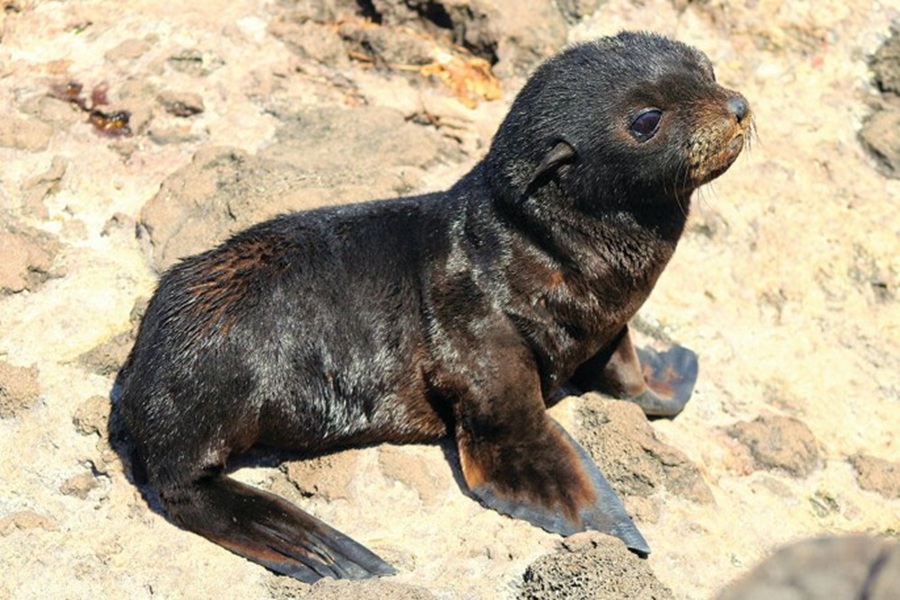
Guadalupe Fur Seal Appearance

Guadalupe fur seals exhibit distinct physical features that set them apart from other species. Their fur is brownish-gray dorsally, with a silvery and yellowish-gray “mane” on the nape of the neck, creating a striking and recognizable appearance. These seals have pointed snouts, contributing to their characteristic look, and are known for their agile and graceful movements both in water and on land.

Distribution

The Guadalupe fur seal is primarily found in the eastern Pacific Ocean, particularly in the waters surrounding Guadalupe Island. This species has also been observed in the coastal regions of California and Mexico, where it inhabits rocky habitats and caves during mating seasons. Although once reduced to just a few dozen individuals due to historical sealing activities, conservation efforts have contributed to the recovery of their population, with notable patterns of resurgence in their native habitats.

Habitat Preferences
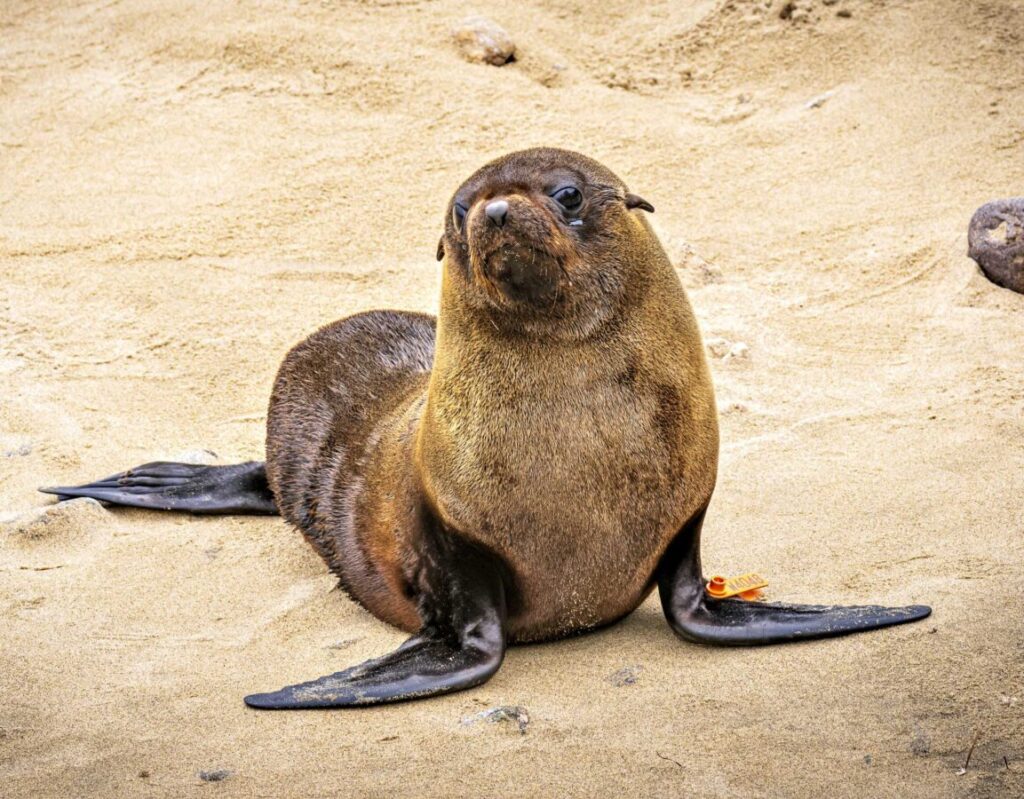
Guadalupe Fur Seal Habitat

Guadalupe fur seals thrive in coastal rocky habitats and caves, where they seek shelter and breeding sites. These marine mammals are known to prefer cool and sheltered environments along steep shorelines, and they exhibit a preference for hauling out on rock platforms with access to nearby waters for foraging. The presence of suitable ecosystems and undisturbed breeding grounds is crucial for the survival and well-being of this species, highlighting the importance of conservation efforts to protect their habitats.

Through dedicated conservation initiatives and ongoing research, the Guadalupe fur seal continues to capture the attention of wildlife enthusiasts and conservationists, serving as a testament to the resilience and adaptability of marine species in the face of environmental challenges.

Facts About Guadalupe Fur Seal

  • The Guadalupe fur seal (Arctocephalus townsendi) is the only fur seal species that resides north of the equator.
  • Their breeding grounds are almost entirely on Guadalupe Island, off the Pacific coast of Baja California, Mexico.
  • The population of Guadalupe fur seals is estimated to be about 34,000 individuals.
  • Guadalupe fur seals are members of the โ€œeared sealโ€ family, Otariidae.
  • They have brownish-gray fur dorsally, with a silvery and yellowish-gray “mane” on the nape of the neck.
  • Adult male Guadalupe fur seals are 1.5-2 times longer and approximately 3-4 times heavier than adult females.
  • The species is listed as threatened under the Endangered Species Act and is protected by law.
  • Guadalupe fur seals are non-migratory and their population can be found year-round in their habitat.
  • The population of Guadalupe fur seals is increasing as it recovers from heavy exploitation.
  • The review evaluates and draws conclusions about the data for areas within the range of the Guadalupe fur seal.


Scientific Provenance & Verified Sources

Biological taxonomy, conservation status, and physical traits are cross-referenced with authoritative global registers:


Peer-reviewed by Wildlife Science Editors โ€ข Updated for 2026

Explore Other Species Profiles