
Description
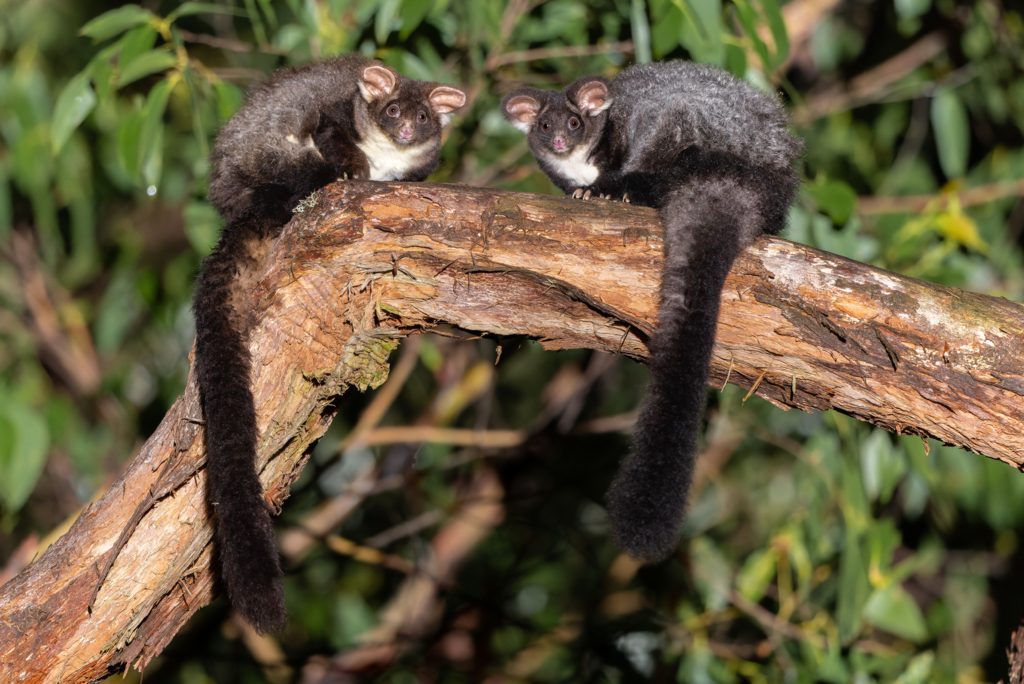
The Greater Glider, scientifically known as Petauroides volans, is a remarkable gliding marsupial found in eastern Australia. It is characterized by its large size, unique gliding abilities, and arboreal lifestyle. With its distinctive features and ecological significance, the Greater Glider holds a special place in Australia’s diverse wildlife.
Appearance

The Greater Glider is known for its striking appearance, with a large and robust build that sets it apart from other gliding marsupials. Its fur is soft and dense, typically ranging in color from silver-grey to brown, providing effective camouflage in its forest habitat. Notably, the species possesses a membrane of skin, known as a patagium, which extends from its elbows to its ankles, enabling it to glide gracefully between trees. This unique adaptation distinguishes the Greater Glider from its counterparts and contributes to its remarkable aerial abilities.
Distribution
The Greater Glider’s range spans across the eastern regions of Australia, where it inhabits a variety of forested landscapes. Notable areas of occurrence include the coastal and mountainous regions of Queensland, New South Wales, Victoria, and parts of South Australia. However, due to habitat fragmentation and other environmental pressures, the species’ distribution has become increasingly localized, warranting conservation attention to ensure its long-term survival.
Habitat Preferences

The Greater Glider thrives in mature, intact forests, particularly favoring eucalypt woodlands and wet sclerophyll forests. These ecosystems provide essential resources for the species, including a diverse array of eucalypt tree species that serve as both food sources and shelter. Hollow-bearing trees are of particular importance, as they provide nesting sites and refuge for the Greater Glider, highlighting the species’ dependence on well-preserved forest habitats for its survival and well-being.
By highlighting the unique characteristics, distribution, and habitat preferences of the Greater Glider, this profile aims to raise awareness about the species and emphasize the importance of conservation efforts to safeguard its future in the wild.
I hope this profile provides a comprehensive overview of the Greater Glider and its significance within the Australian ecosystem.
Facts About Greater Glider
- The Greater Glider (Petauroides volans) is the largest of the gliding possums, about the size of a domestic cat.
- They are found in eastern Australia and are known for their remarkable gliding abilities.
- Greater Gliders have a unique diet, mainly consisting of eucalyptus leaves, nectar, and pollen.
- These marsupials have a distinctive membrane called a patagium, which enables them to glide up to 100 meters in a single leap.
- Female Greater Gliders have a well-developed pouch and typically give birth to one offspring at a time.
- The species is facing conservation challenges, with the southern and central Greater Glider (Petauroides volans) being classified as endangered.
- Greater Gliders are nocturnal animals, spending their days in tree hollows and emerging at night to forage for food.
- Their breeding habits are influenced by the availability of food resources, with breeding occurring during periods of abundant food supply.
- The Greater Glider is known for its slow reproductive rate, with a gestation period of around 29 days and the young staying in the pouch for up to 120 days.
- Conservation efforts are underway to protect the habitat of the Greater Glider and ensure the survival of this unique and iconic Australian species.


