Garden Dormouse

IUCN Red List Conservation Status


Least Concern

LC
NT
VU
EN
CR
EW
EX

Official assessment evaluated in accordance with the IUCN Red List of Threatened Species criteria: Least Concern.


Species Quick Facts

Scientific Name
Eliomys quercinus

Average Lifespan
2-3 years in wild, 4-5 years in captivity

Average Weight
0.03-0.055 kg (0.07-0.12 lbs) – Males: 0.045 kg, Females: 0.035 kg

Average Length
9-12 cm (3.5-4.7 inches) – head-body length excluding tail

Overview & Identification

The garden dormouse (Eliomys quercinus) is a small nocturnal rodent belonging to the family Gliridae, the dormice. It inhabits a fragmented range across southern and western Europe, extending from the Iberian Peninsula through France, Italy, the Balkans, and into Turkey and the Caucasus, with isolated populations on Mediterranean islands. Preferred habitats include mixed deciduous woodlands, scrubby hedgerows, rocky outcrops, and cultivated gardens where dense understory provides cover and foraging opportunities. The species is distinguished by its relatively large eyes, soft silky fur that varies from reddishโ€‘brown to greyโ€‘brown, and a long, bushy tail that is often longer than the body. Unlike many dormice, the garden dormouse retains a fully functional hibernation period, entering torpor from late autumn to early spring. Although currently classified as Least Concern by the IUCN, its populations are declining due to habitat loss, fragmentation, and pesticide use, prompting conservationists to monitor its status closely.

Behavior & Social Structure

Garden dormice are solitary for most of the year, establishing individual home ranges that can overlap during the breeding season. They are strictly nocturnal, emerging at dusk to forage and retreating to concealed nests built in tree cavities, rock crevices, or dense shrub cover. Territories are defended by scent marking using glandular secretions and occasional vocalizations, such as soft chirps and squeaks, especially when alarmed. Seasonal activity peaks in spring and early summer when food is abundant; during winter they enter deep hibernation, reducing metabolic rate to less than 5% of normal. Social interactions intensify during the brief mating period, after which individuals resume solitary habits. Their agility and climbing ability allow them to exploit vertical strata in forests and gardens, while their keen hearing and whisker sensitivity aid in detecting prey and predators in lowโ€‘light conditions.

Diet & Hunting Patterns

The garden dormouse is an opportunistic omnivore with a strong insectivorous component. Its diet comprises beetles, moth larvae, spiders, and other arthropods, especially during the breeding season when protein demands are high. In addition, it consumes a variety of plant foods such as berries, seeds, nuts, and occasional fruit from oak, hawthorn, and wild cherry. Seasonal shifts are evident: insects dominate in spring and summer, while fruits and seeds become more important in autumn. The species caches surplus food in shallow burrows or under leaf litter to buffer against periods of scarcity. Foraging is primarily arboreal, but individuals also forage on the ground, using their keen sense of smell and tactile whiskers to locate hidden prey. Water intake is met largely through moist food items, reducing the need for direct drinking.

Reproduction & Life Cycle

Garden dormice reach sexual maturity at 10โ€‘12 months for females and slightly later for males. Breeding occurs once a year, typically from May to July, timed to coincide with peak insect abundance and fruiting of shrubs. After a gestation period of approximately 23โ€‘25 days, females give birth to litters of 3โ€‘7 wellโ€‘developed young. The neonates are altricial, hairless and blind, and remain in the nest for about three weeks while the mother provides exclusive lactation. Weaning occurs at 4โ€‘5 weeks, after which juveniles begin to explore and practice foraging. Both sexes become independent shortly after weaning; males disperse to establish new territories, while females may remain near their natal area. Longevity in the wild is limited, with most individuals reproducing only once or twice before succumbing to predation or harsh winter conditions.

Threats & Conservation

The IUCN lists the garden dormouse as Least Concern, yet its populations are experiencing a gradual decline across much of its range. Primary threats include habitat loss from intensive agriculture, urban expansion, and forest fragmentation, which reduce the availability of suitable nesting sites and foraging corridors. Pesticide application diminishes insect prey abundance and can cause direct toxicity. Climate change poses additional risks by altering hibernation cycles and reducing winter snow cover, which historically provided insulation for hibernating individuals. Fragmented populations are vulnerable to genetic bottlenecks, and road mortality further impacts local numbers. Conservation measures focus on preserving mixed woodland and hedgerow networks, promoting pesticideโ€‘free gardening, and monitoring population trends through standardized trapping surveys. Current estimates suggest a total mature population of 200,000โ€“500,000 individuals, but precise numbers remain uncertain due to the species’ secretive nature.

Interesting Facts

โ€ข Garden dormice can enter a deep hibernation state lasting up to six months, reducing their body temperature close to ambient.
โ€ข They possess a unique ability to store fat in their tail, which serves as an energy reserve during winter.
โ€ข Unlike many dormice, garden dormice are capable of climbing smooth bark thanks to specialized adhesive pads on their feet.
โ€ข Their vocal repertoire includes ultrasonic clicks used for intraโ€‘specific communication during the breeding season.
โ€ข Fossil records indicate that the genus Eliomys has existed in Europe since the Pliocene, making it a longโ€‘standing component of the continent’s mammalian fauna.

Description

Garden Dormouse

The Garden Dormouse, scientifically known as Eliomys quercinus, is a charming rodent belonging to the dormouse family. These small mammals are renowned for their extended hibernation periods, during which they enter a dormant state to conserve energy.

Appearance
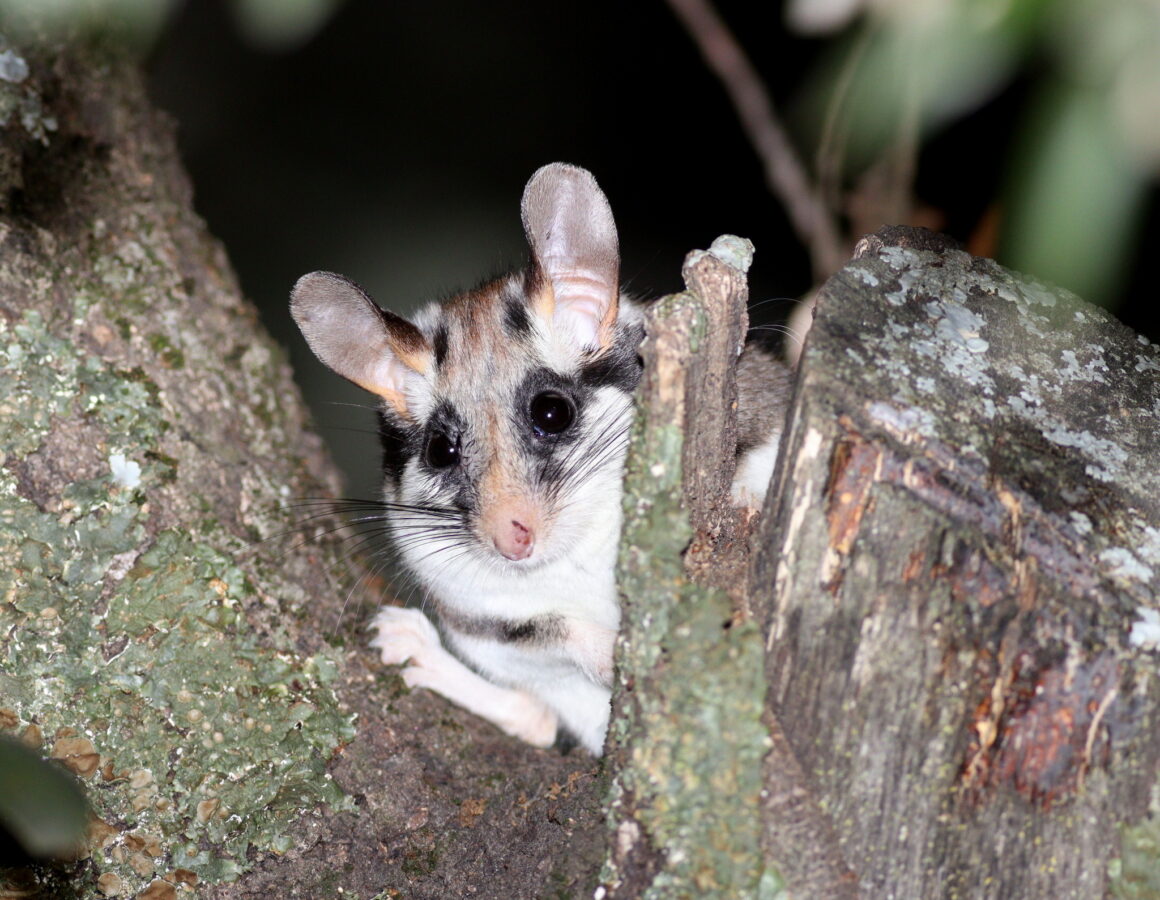
Garden Dormouse Appearance

The Garden Dormouse is characterized by its compact size and distinctive fur, which is typically a mix of gray, brown, and white tones. Their large, expressive eyes and bushy tail set them apart from other species within the dormouse family.

Distribution

The Garden Dormouse can be found across various regions in Europe, including parts of Spain, France, Italy, and the Balkans. Their distribution is notable for its presence in woodland areas and orchards, where suitable habitats provide the necessary resources for their survival.

Habitat Preferences

Garden Dormouse Habitat

These delightful creatures thrive in a range of habitats, including deciduous woodlands, mixed forests, and orchards. They are particularly adept at navigating the complex ecosystems within these environments, where they find sustenance and shelter for their well-being.

Overall, the Garden Dormouse is a captivating species with unique traits that contribute to the rich biodiversity of its native habitats. Understanding and preserving their natural environments is crucial for the conservation of this endearing rodent.

Facts About Garden Dormouse

  • The Garden Dormouse (Eliomys quercinus) is a species of dormouse native to Europe.
  • They are highly arboreal and are occasionally found in swamplands.
  • The common name “garden dormouse” is misleading because of the variety of habitats they occupy.
  • Garden dormice in western Asia and North Africa have been separated into their own species, Eliomys melanurus.
  • They inhabit coniferous, deciduous, and mixed forests, as well as woodland and rocky areas from sea level to elevations of 2300 meters in the Alps and Pyrenees.
  • The lifespan of Garden Dormice is around 2-3 years in the wild.
  • Populations in the east have decreased significantly over the last 20-30 years, and the species may have disappeared from as much as 50% of its former range.
  • The Garden Dormouse has been declining in both abundance and range since the mid-twentieth century.
  • They are known for their distinctive long, bushy tail and large eyes.
  • Garden Dormice are rodents in the dormouse family and play a role in the ecosystem as seed dispersers.


Scientific Provenance & Verified Sources

Biological taxonomy, conservation status, and physical traits are cross-referenced with authoritative global registers:


Peer-reviewed by Wildlife Science Editors โ€ข Updated for 2026

Explore Other Species Profiles