

Description
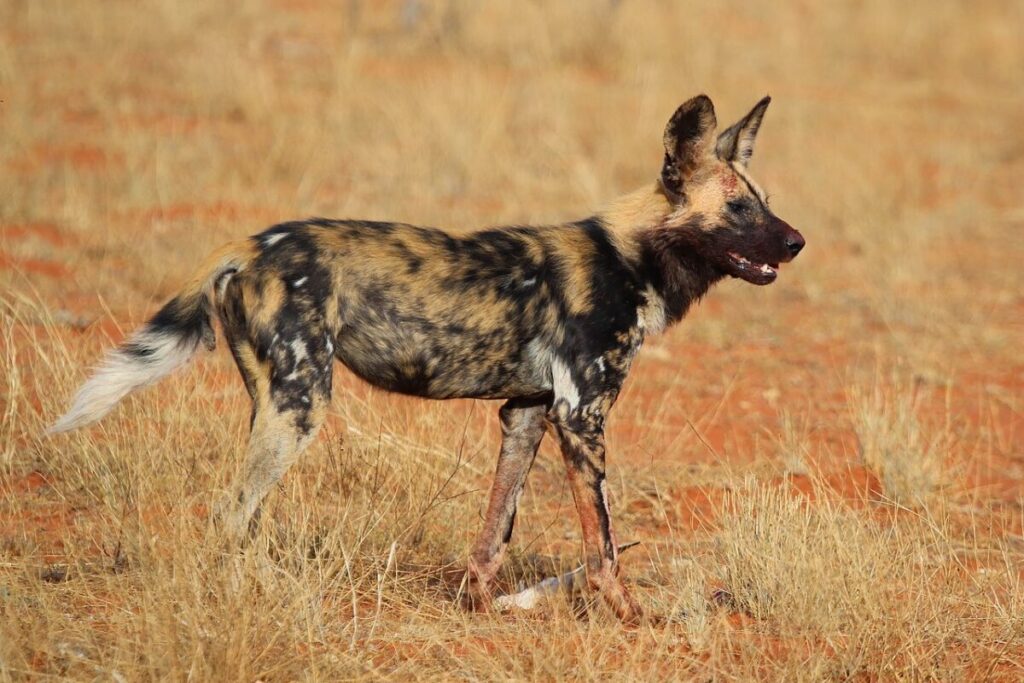
The Cape wild dog, scientifically known as Lycaon pictus pictus, is a subspecies of the African wild dog. It is a highly social and intelligent mammal, characterized by its distinctive mottled coat of brown, black, yellow, and white fur. This subspecies is renowned for its exceptional hunting prowess and complex pack dynamics, making it a truly captivating species to study and observe in the wild.
Appearance
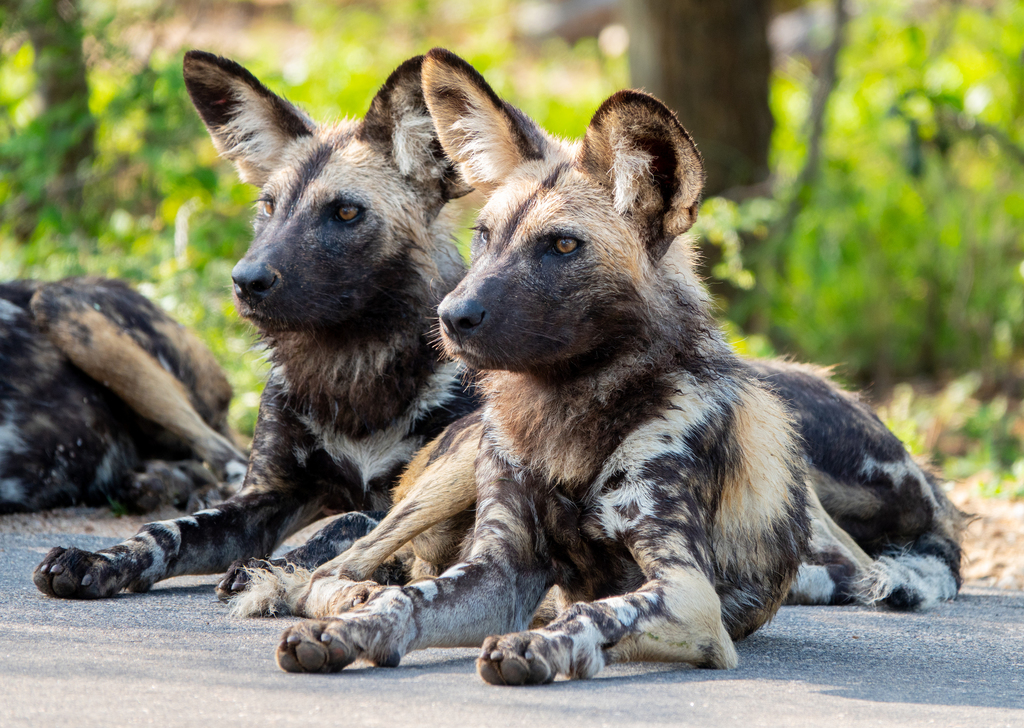
The Cape wild dog is easily distinguishable from other canines by its unique coat pattern, large rounded ears, and slender, agile build. The intricate mottled coloration of its fur acts as a natural camouflage, enabling the Cape wild dog to blend seamlessly into its savanna and arid habitat. Its elongated legs and lean physique are adapted for endurance running, allowing it to pursue prey over long distances with remarkable speed and stamina.
Distribution
The Cape wild dog is primarily found in the southern regions of Africa, with a notable presence in countries such as South Africa, Namibia, Botswana, and Zimbabwe. While historically widespread, the population of Cape wild dogs has faced significant decline due to habitat loss, human-wildlife conflict, and infectious diseases. Conservation efforts are crucial in safeguarding the remaining populations of this subspecies.
Habitat Preferences
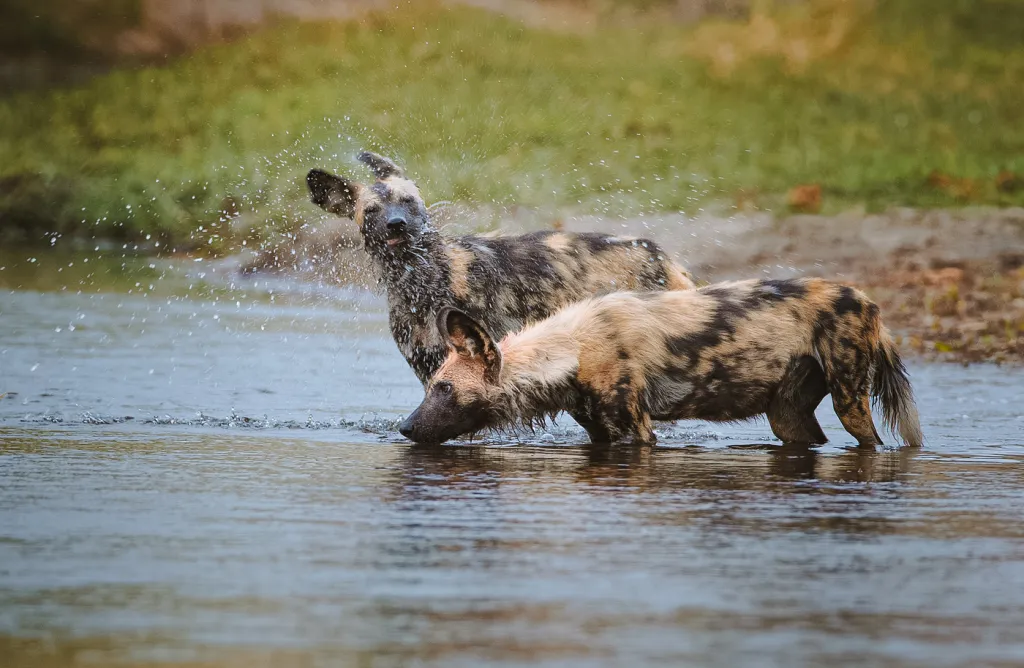
Cape wild dogs thrive in a variety of ecosystems, including savannas, open woodlands, and semi-desert regions. They are well-adapted to these diverse habitats, relying on their keen sense of smell, exceptional teamwork, and efficient communication to navigate and hunt within their environment. These ecosystems provide the Cape wild dog with the necessary resources for survival, including access to prey species, den sites, and social interaction within their pack structure.
By highlighting the unique characteristics, appearance, distribution, and habitat preferences of the Cape wild dog, this species profile aims to inspire a deeper appreciation for the remarkable biodiversity present in the African continent and emphasize the importance of conservation efforts to protect this iconic subspecies.
Facts About Cape wild dog
- The Cape wild dog, also known as Lycaon pictus pictus, is a subspecies of the African wild dog.
- They are highly social animals, living and hunting in packs that are widely dispersed.
- Cape wild dogs have an 80% hunting success rate, which is higher than that of lions and leopards.
- This subspecies is known for its irregular, mottled coat, featuring patches of red, black, brown, white, and yellow fur.
- They are one of the world’s most endangered carnivores, with a significantly declining population.
- Cape wild dogs have been estimated to live up to 17 years in the wild, and up to 15.1 years in captivity.
- The IUCN estimates that there are around 6,600 adults (including 1,400 mature individuals) of African wild dogs, including the Cape wild dog subspecies, living in the wild.
- Formerly widespread throughout sub-Saharan Africa, the Cape wild dog’s geographical distribution has significantly declined.
- They are effective predators, known for their cooperative hunting strategies and high success rate.
- Conservation efforts are crucial for the survival of the Cape wild dog and other African wild dog subspecies.


