
Description
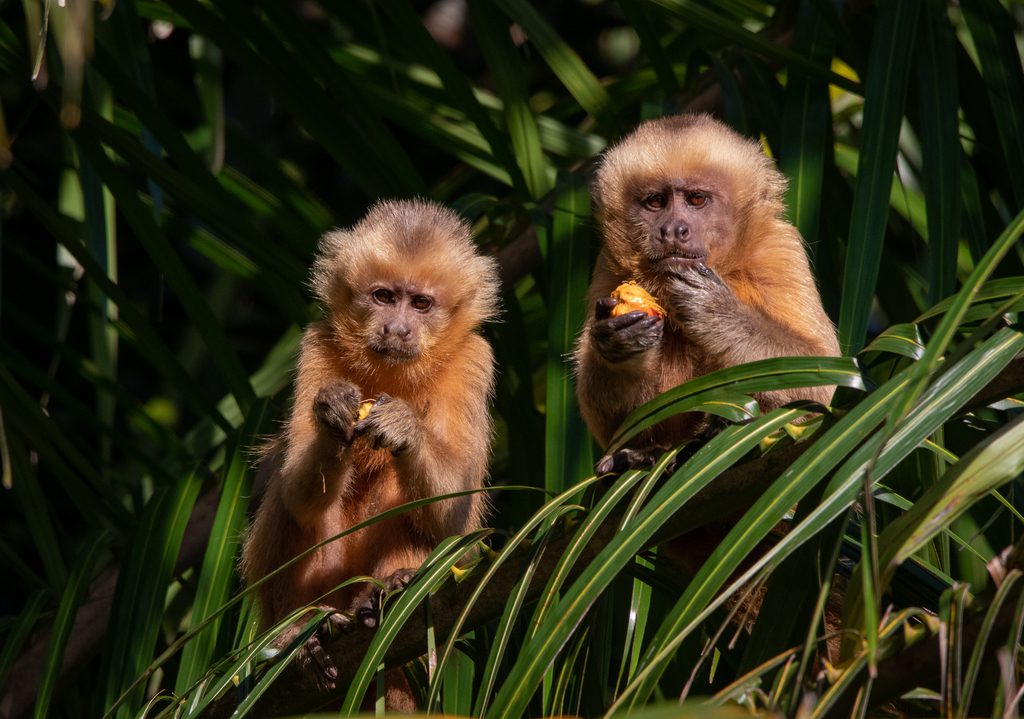
The blond capuchin, scientifically known as Sapajus flavius, is a captivating species of capuchin monkey endemic to northeastern Brazil. This endangered primate species was rediscovered in 2006, sparking renewed interest and urgency in its conservation. The blond capuchin is known for its remarkable social behavior, unique physical characteristics, and its critical role in the delicate balance of its native ecosystem.
Appearance
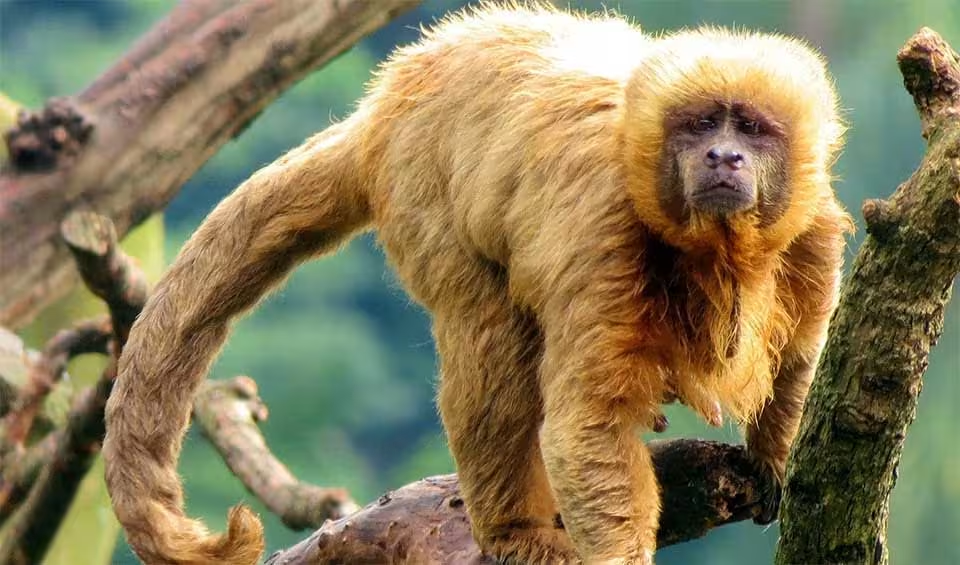
The blond capuchin possesses a distinct appearance that sets it apart from other capuchin species. As its name suggests, it is recognized for its striking blond or golden fur, which differentiates it from other capuchin monkeys. This unique coloration contributes to its charismatic and visually appealing presence in its natural habitat. Additionally, the blond capuchin exhibits the typical features of capuchin monkeys, including a prehensile tail, dexterous hands, and a compact, agile body.
Distribution
The blond capuchin is primarily found in the northeastern region of Brazil, where it inhabits the Atlantic forest and Caatinga biomes. This species’ distribution is limited to specific areas within these biomes, and its population density is notably concentrated in these regions. Due to its endangered status, conservation efforts are crucial to safeguarding its remaining habitats and ensuring its long-term survival.
Habitat Preferences
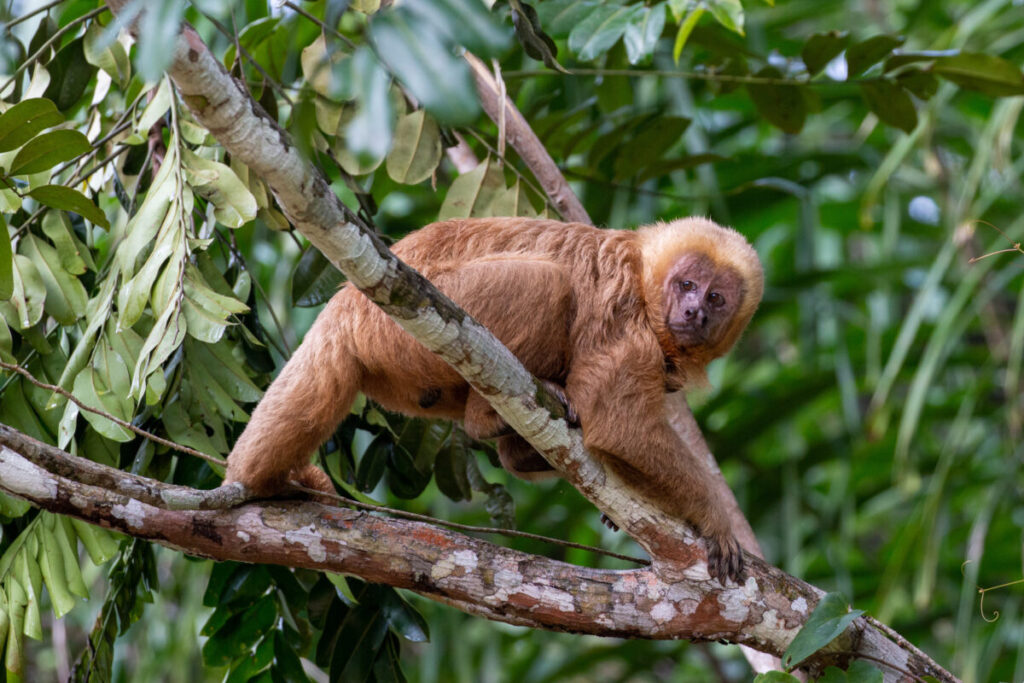
The blond capuchin thrives in diverse ecosystems, including the mid and lower-canopy of forests within its native range. These primates are arboreal and rely on the rich biodiversity of the Atlantic forest and Caatinga biomes for sustenance and shelter. The intricate forest structure provides an ideal environment for their foraging activities, social interactions, and overall well-being. However, the ongoing threats to their habitat, such as deforestation and human encroachment, pose significant challenges to the survival of the blond capuchin.
As a conservation scientist, I emphasize the importance of preserving the unique habitats of the blond capuchin to ensure the continued existence of this remarkable species and the ecological balance it contributes to in its natural environment.
Facts About Blond Capuchin
- The blond capuchin (Sapajus flavius) is a critically endangered species, with an estimated population of only around 180 individuals.
- It is endemic to northeastern Brazil.
- This species was rediscovered in 2006 after previously being thought to be extinct.
- The blond capuchin gets its name from the distinctive golden-blond fur on its body and limbs.
- They primarily inhabit terra firme, várzea, and mangrove habitats in their native range.
- Blond capuchins are small, distinctive, and untufted monkeys.
- Their diet includes fruits, seeds, insects, and small vertebrates.
- They are known for their complex social structures and tool-use behavior.
- The species faces threats from habitat loss, hunting, and the pet trade.
- Conservation efforts are underway to protect and preserve the remaining population of this endangered species.


