
Description

The Arctic ground squirrel, scientifically known as Spermophilus parryii, is a remarkable species of ground squirrel that is native to the Arctic and Subarctic regions of North America and Asia. This diurnal mammal is renowned for its unique adaptations to the extreme cold and harsh conditions of its habitat. It is also referred to as Urocitellus parryii and is known as “siksik” in Inuktitut.
Appearance
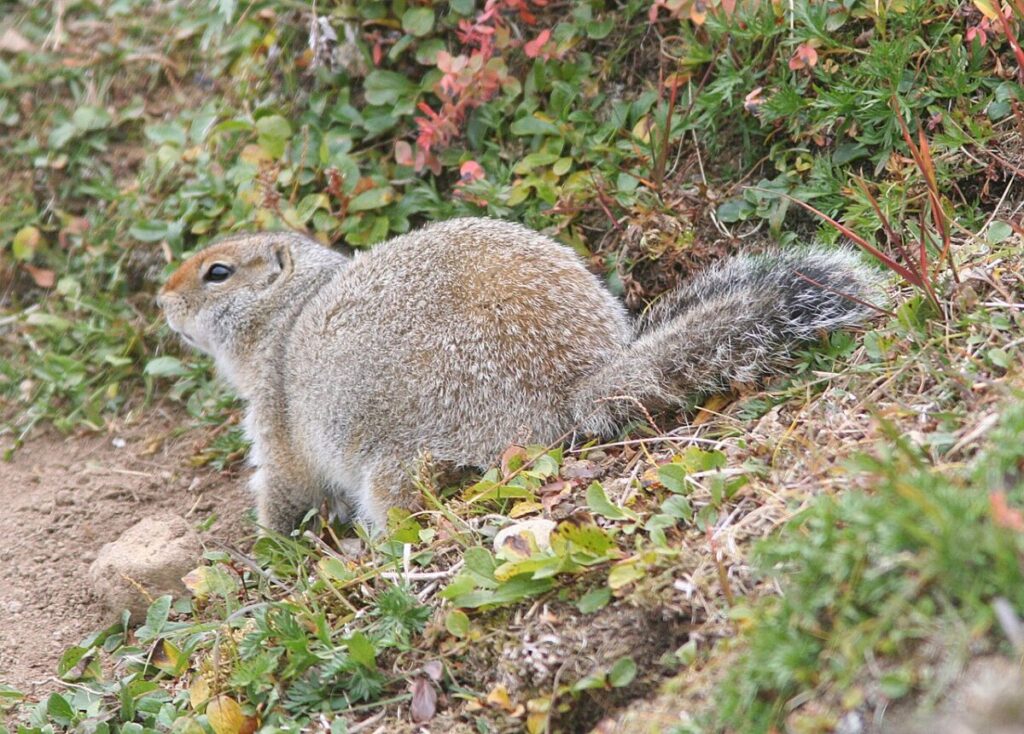
Arctic ground squirrels are characterized by their compact, sturdy build and a distinctive coat that varies in color from light to dark brown, often with a mottled appearance. They have a relatively short tail compared to other ground squirrel species and are known for their keen sense of observation, with large eyes and small, rounded ears. Their appearance sets them apart from other ground squirrel species and contributes to their ability to thrive in their unique habitat.
Distribution
Arctic ground squirrels can be found in a wide range of regions, including Alaska, Canada, Siberia, and parts of the Russian Far East. They inhabit the Arctic and Subarctic tundra, forest clearings, open meadows, river valleys, alpine tundra, and meadow-steppes. Their distribution spans a vast area, and their population density can vary based on factors such as food availability and environmental conditions.
Habitat Preferences
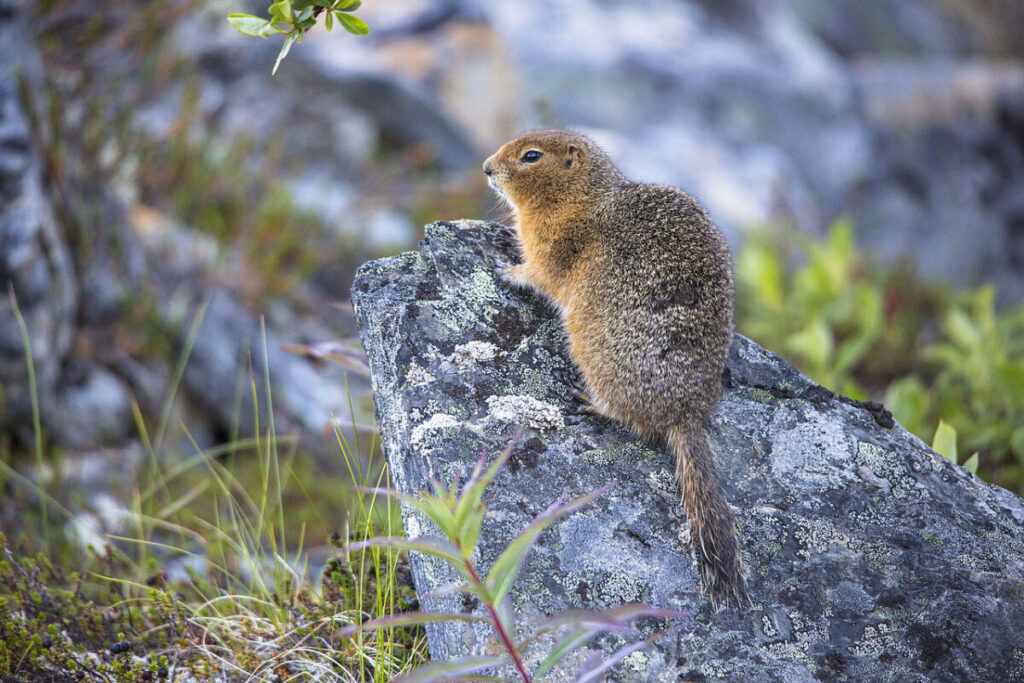
These resilient creatures thrive in a variety of ecosystems, including mountain slopes, bushy meadows, riverbanks, lakeshores, and sandbanks. They are well adapted to the harsh conditions of the Arctic and Subarctic regions, where they establish colonies in areas with well-drained soils and views of the surrounding landscape. Their habitat preferences are closely linked to their survival and well-being, as they rely on these environments for shelter, foraging, and hibernation.
This comprehensive species profile offers a glimpse into the unique characteristics, appearance, distribution, and habitat preferences of the Arctic ground squirrel, shedding light on its significance in the diverse ecosystems of the Arctic and Subarctic regions.
Facts About Arctic Ground Squirrel
- The Arctic ground squirrel (Spermophilus parryii) is the northernmost species of ground squirrel, with a Holarctic distribution ranging from the west coast of Alaska to the Hudson Bay and south to the northern border of the United States.
- They are known to inhabit tundra, meadow, riverbank, and lakeshore habitats with loose soils that provide early vegetation.
- The average length of an Arctic ground squirrel is about 39 cm, and they weigh around 700 g.
- These squirrels have a lifespan of about 9 years in the wild.
- Predators of the Arctic ground squirrel include raptors and carnivores of various sizes, from ermines to grizzly bears.
- They are known to hibernate for up to 8 months of the year.
- Arctic ground squirrels are well-adapted to cold environments, with special physiological and behavioral adaptations to survive in harsh conditions.
- They are important prey for many predators and play a crucial role in the Arctic food web.
- Arctic ground squirrels are highly social animals, often living in colonies and communicating through various vocalizations and body language.
- These squirrels are known for their extensive burrow systems, which can include multiple chambers and serve as protection against predators and harsh weather.


